Telangana Chief Minister Revanth Reddy Unveils Plan for Grand Temple at Musi in Ananthagiri Hills
In a significant announcement, Telangana Chief Minister Revanth Reddy has revealed plans to construct a grand temple at Musi in the scenic Ananthagiri Hills. The project, which is set to enhance the region's religious and cultural landscape, underscores Reddy's commitment to his Hindu faith and his vision for promoting spiritual tourism in the state.
Reddy Emphasizes His Identity as a Practising Hindu
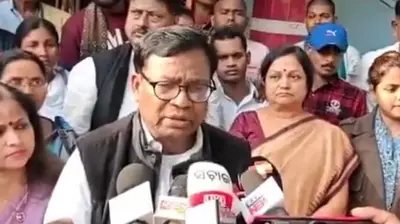
During the announcement, Chief Minister Revanth Reddy explicitly stated that he is a practising Hindu, a declaration that adds a personal dimension to the temple initiative. This statement is seen as a reaffirmation of his religious beliefs and a move to connect with the state's Hindu community, which forms a significant portion of the population.
The temple project is expected to serve as a major pilgrimage site, attracting devotees from across Telangana and beyond. By highlighting his personal faith, Reddy aims to build trust and support for the development, which could have broader implications for his political standing and the state's cultural policies.
Details of the Grand Temple Project at Musi
The proposed temple at Musi in Ananthagiri Hills is envisioned as a grand structure that will blend traditional architecture with modern amenities. Key aspects of the project include:
- Location: Situated in the picturesque Ananthagiri Hills, known for its natural beauty and historical significance, the temple will leverage the area's serene environment to offer a peaceful retreat for visitors.
- Design and Construction: Plans involve incorporating intricate carvings and spiritual motifs that reflect Hindu traditions, with a focus on sustainability and accessibility for all devotees.
- Infrastructure Development: The project will include the development of surrounding infrastructure, such as improved roads, parking facilities, and accommodation options, to support the influx of pilgrims and tourists.
This initiative is part of a broader effort to boost religious tourism in Telangana, which has been gaining momentum in recent years. By creating new attractions like this temple, the state government hopes to stimulate local economies and create job opportunities in the region.
Potential Impact on Local Development and Tourism
The construction of the grand temple at Musi is anticipated to have a positive ripple effect on the local community and the state's tourism sector. Some expected benefits include:
- Economic Growth: Increased tourist footfall could lead to higher revenue for local businesses, including hotels, restaurants, and souvenir shops, thereby boosting the regional economy.
- Employment Opportunities: The project is likely to generate jobs during the construction phase and in ongoing maintenance and tourism services, providing livelihoods for residents in Ananthagiri Hills and nearby areas.
- Cultural Promotion: By establishing a new religious site, the temple will help preserve and promote Hindu cultural heritage, attracting scholars and enthusiasts interested in the state's spiritual traditions.
Moreover, this move aligns with Reddy's administration's focus on infrastructure and cultural projects, as seen in other initiatives across Telangana. It reflects a strategic approach to balancing development with cultural preservation, which could enhance the state's appeal as a diverse destination.
Political and Social Context of the Announcement
The announcement comes at a time when religious and cultural issues are prominent in Indian politics. By positioning himself as a practising Hindu and championing temple construction, Chief Minister Revanth Reddy may be seeking to consolidate support among Hindu voters in Telangana, where religious identity often plays a role in electoral dynamics.
This project could also be viewed as a response to growing demands for more religious infrastructure in the state, addressing the aspirations of the Hindu community while fostering a sense of inclusivity. However, it is essential to note that the initiative is framed as a development project aimed at benefiting all residents, regardless of religious affiliation, through economic and tourism gains.
In conclusion, the grand temple at Musi in Ananthagiri Hills represents a multifaceted endeavor by the Telangana government under Revanth Reddy's leadership. It combines personal faith with public policy, aiming to create a lasting legacy that enhances both spiritual and material well-being in the region.