Tamil Nadu Political Parties Unite in Call for Single-Phase Assembly Elections
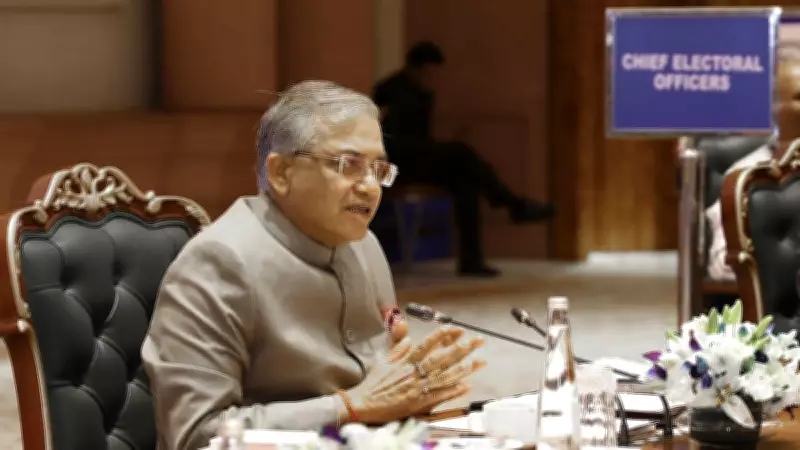
In a significant development ahead of the 2026 Tamil Nadu Assembly elections, political parties across the spectrum have collectively urged the Chief Election Commissioner (CEC) Gyanesh Kumar to conduct the polls in a single phase. This unified demand emerged during a comprehensive review meeting organized by the Election Commission of India (ECI) to assess election preparedness in the state.
Election Commission's Comprehensive Review Meeting
The meeting, led by CEC Gyanesh Kumar along with other Election Commissioners, brought together a diverse group of stakeholders to ensure a smooth electoral process. Attendees included representatives from various political parties, senior police officers, key government officials, and officials from enforcement agencies. The primary objective was to evaluate and coordinate all aspects of election readiness, from security arrangements to administrative logistics.
The political parties presented a strong case for a single-phase election, emphasizing that it would streamline operations, reduce costs, and minimize security risks. They argued that conducting the elections in one phase would allow for better deployment of resources, including police and paramilitary forces, ensuring a more secure and efficient voting process across all constituencies simultaneously.
Logistical and Security Advantages Highlighted
During the discussions, party representatives highlighted several benefits of a single-phase election. Logistically, it simplifies the movement of election materials and personnel, reducing the chances of errors or delays. From a security perspective, it enables authorities to concentrate their forces without the need for staggered deployments, which can be vulnerable to disruptions or malpractices.
The Election Commission officials listened attentively to these arguments, noting the points raised for consideration in their final decision-making process. The review meeting also covered other critical areas such as:
- Voter registration and electoral roll updates
- Polling station arrangements and accessibility
- Measures to prevent electoral malpractices and ensure transparency
- Coordination between state and central agencies for enforcement
Background and Implications for Tamil Nadu Politics
Tamil Nadu, known for its vibrant and competitive political landscape, is gearing up for the 2026 Assembly elections, which are expected to be a closely watched contest. The state has historically seen multi-phase elections in some instances, but the current push for a single phase reflects a consensus among parties to prioritize efficiency and security.
This move could have significant implications for the electoral dynamics, as a single-phase election might level the playing field by reducing the opportunity for last-minute campaigning or strategic shifts between phases. It also underscores the collaborative spirit among political entities in ensuring a fair and orderly democratic process, despite their ideological differences.
The Election Commission is expected to deliberate on this request along with other feedback from the meeting before announcing the final election schedule. As preparations intensify, all eyes will be on Tamil Nadu to see how this demand influences the conduct of one of India's most pivotal state elections.