Delhi Court Grants Bail to Youth Congress Chief in AI Summit Protest Case
A Delhi court has granted bail to the Youth Congress chief in a case related to protests during an AI summit, with the judge stating that liberty cannot be denied on mere conjectures. The decision underscores the judiciary's commitment to protecting individual freedoms while ensuring legal procedures are followed.
Court's Emphasis on Liberty and Legal Scrutiny
In its ruling, the court highlighted that fundamental rights must be upheld and that detention should not be based on unsubstantiated claims. This principle is crucial in cases involving political protests, where the balance between security concerns and civil liberties is often tested.
However, the court also demonstrated caution by ordering a thorough verification of the documents and bonds submitted by the Youth Congress chief. This step ensures that all legal formalities are properly addressed before the bail is finalized.

Temporary Judicial Custody and Verification Process
Following the bail grant, the court directed that the Youth Congress chief remain in judicial custody until Sunday morning while the verification process is completed. This interim measure allows authorities to confirm the authenticity of the provided documents, preventing any potential misuse of the bail provision.
The verification process includes:
- Checking the validity of identification documents.
- Confirming the sureties and bonds furnished for bail.
- Ensuring compliance with all court-mandated conditions.
Background of the AI Summit Protest Case
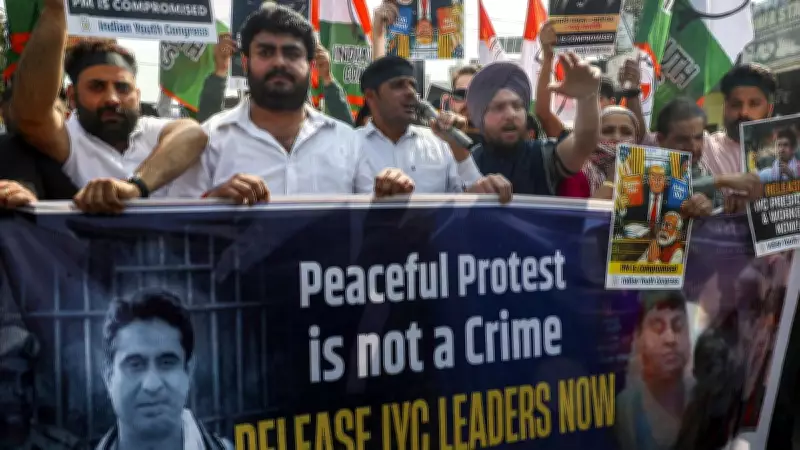
The case stems from protests organized during a high-profile AI summit, where demonstrators raised concerns about the ethical implications and societal impacts of artificial intelligence. The Youth Congress chief was allegedly involved in leading these protests, leading to legal action by authorities.
This incident has sparked broader discussions on:
- The role of youth in political activism.
- Legal frameworks for handling protests in tech-related events.
- The intersection of technology policy and civil liberties.
As the verification proceeds, the court's decision is seen as a significant moment for judicial oversight in protest-related cases, balancing individual rights with procedural integrity.