Tamil Nadu Assembly Elections Witness Historic High in Women Candidates
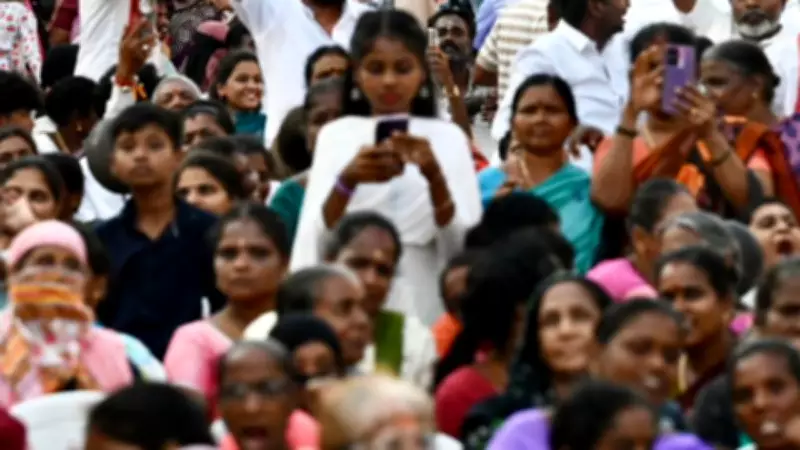
In a significant development for political representation, the number of women contesting in the upcoming Tamil Nadu assembly elections has reached a record high of 443. This marks a substantial increase compared to previous years, with the poll scheduled for April 23. However, despite this rise in participation, men continue to dominate the electoral field, with 3,579 male candidates in the fray, highlighting an ongoing gender disparity in candidate numbers.
Historical Growth of Women's Participation in Tamil Nadu Politics
The journey of women in Tamil Nadu's electoral politics shows a remarkable evolution over the decades. In 1967, only 11 women were among the 778 candidates, representing a minuscule fraction. By 1984, this number had grown to 46 female candidates. The trend continued upward, with 156 women contesting in the 2006 election and 413 women participating in the 2021 assembly polls out of a total of 3,998 candidates. This progressive increase underscores a gradual shift towards greater female involvement in the political arena.
Selective Nominations and Higher Strike Rates for Women Candidates
Political parties in Tamil Nadu have historically nominated women more selectively, which has often resulted in higher success rates for female contestants. From 1984 through 2016, in every assembly election, women's strike rate—the percentage of winners among women contestants—consistently exceeded that of men. Additionally, women have shown a lower share of candidates losing their deposits in each election, indicating more strategic and viable candidacies.

Notable examples include the 1991 election, where 32 women won seats, achieving a success rate of approximately 31%, compared to just 7.4% for men. Similarly, in 2001, 25 women entered the assembly, and in 2006, 22 women were elected. These successes were often linked to the political influence of former chief minister J Jayalalithaa, whose landslides in 1991 and 2001 led to unusually large cohorts of women being sent to the legislative house by her party and its allies.
Recent Reversal and Challenges in Women's Electoral Success
Despite the historical gains, the pattern has shown signs of fragility and reversal in recent years. In the 2021 election, although nearly 100 more women contested compared to 2016, the number of women who won seats dropped sharply to 12 from 21. This decline occurred even as the percentage of women candidates reached 10% of all contestants, the highest ever recorded in Tamil Nadu.
Moreover, the 2021 election saw 92% of women candidates losing their deposits, a rate higher than the 88% for men. This reversal raises critical questions about the effectiveness of increased participation without corresponding victories. As the state prepares for the upcoming poll, the focus now shifts to how many of the 443 women candidates will achieve success when the results are announced on May 4.
Broader Implications for Gender Representation in Politics
The rise in women candidates in Tamil Nadu assembly elections reflects a growing awareness and effort towards gender inclusivity in politics. However, the declining success rates highlight persistent challenges, including potential biases in party nominations, voter preferences, and campaign resources. The data suggests that while numerical representation is improving, qualitative outcomes in terms of electoral wins remain inconsistent.
This trend is not unique to Tamil Nadu but resonates with broader national and global discussions on women's political empowerment. The upcoming election results will be closely watched to assess whether the increased number of women contestants translates into tangible legislative representation, or if the barriers to victory continue to hinder progress.
As the electoral process unfolds, stakeholders, including political parties, civil society, and voters, are urged to consider the importance of supporting women candidates to ensure a more balanced and representative democracy. The outcome on May 4 will provide valuable insights into the future trajectory of women's political participation in Tamil Nadu and beyond.