Tamil Nadu Chief Minister M.K. Stalin Rejects Hindi Imposition in the State
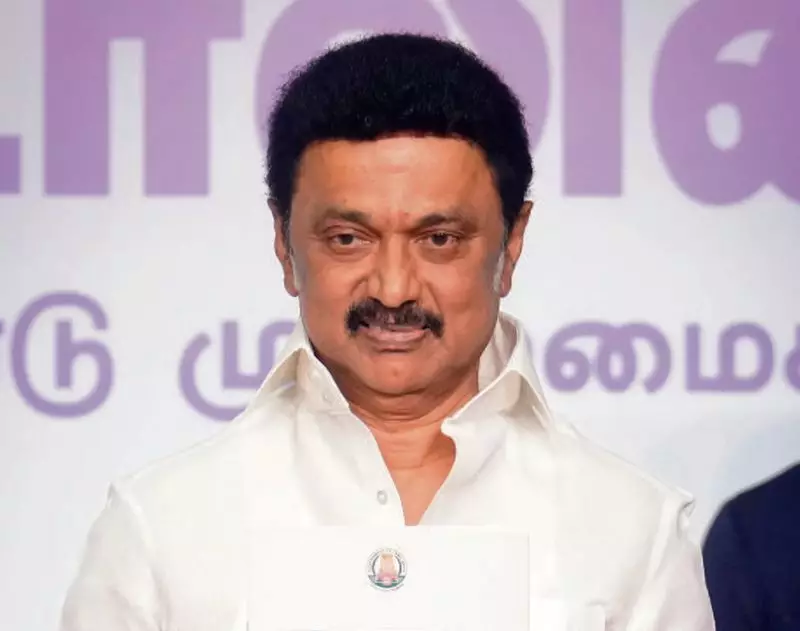
Tamil Nadu Chief Minister M.K. Stalin has taken a firm stance against the imposition of Hindi in the state, asserting that there is no place for Hindi in Tamil Nadu. This declaration comes amid ongoing debates about language policy and cultural identity in India, highlighting the deep-rooted linguistic diversity that characterizes the nation.
Historical Context and Linguistic Pride
The resistance to Hindi imposition in Tamil Nadu is not a new phenomenon. It dates back to the anti-Hindi agitations of the 1960s, when Tamil speakers protested against the central government's attempts to make Hindi the sole official language of India. Over the decades, this sentiment has persisted, rooted in a strong sense of linguistic pride and cultural heritage. Tamil, one of the world's oldest living languages, holds a special place in the hearts of Tamil people, symbolizing their rich history, literature, and identity.
Chief Minister Stalin's recent remarks reinforce this historical stance, emphasizing that Tamil Nadu will continue to uphold its linguistic autonomy. He pointed out that the state's official language is Tamil, and any efforts to promote Hindi at the expense of Tamil are unacceptable. This position aligns with the Dravidian movement's principles, which have long advocated for the rights of non-Hindi speaking regions in India.

Federal Structure and Language Policy
Stalin's statement also touches upon broader issues related to India's federal structure and language policy. He argued that imposing Hindi undermines the spirit of cooperative federalism, where states should have the freedom to preserve and promote their regional languages. The Indian Constitution recognizes 22 official languages, including Tamil, and advocates for linguistic pluralism. However, concerns have been raised about policies that might favor Hindi, potentially marginalizing other languages.
In his address, Stalin called for a more inclusive approach to language policy, one that respects the diversity of India's linguistic landscape. He suggested that instead of pushing Hindi, the central government should focus on promoting all Indian languages equally, ensuring that no language is given preferential treatment. This, he believes, would foster national unity while honoring regional identities.
Cultural Significance and Future Implications
The debate over Hindi imposition goes beyond language; it is deeply intertwined with cultural identity and political representation. For many in Tamil Nadu, resisting Hindi is seen as a way to protect their cultural heritage from homogenization. Stalin highlighted that Tamil is not just a means of communication but a carrier of centuries-old traditions, literature, and values. Preserving it is crucial for maintaining the state's unique cultural fabric.
Looking ahead, Stalin's firm stance is likely to influence ongoing discussions about language policy in India. It may prompt other non-Hindi speaking states to voice similar concerns, advocating for a more balanced approach. As India continues to evolve as a multilingual nation, finding a middle ground that respects both national integration and regional diversity will be key. Stalin's remarks serve as a reminder that linguistic rights are an integral part of India's democratic ethos, and any policy must be crafted with sensitivity to these nuances.
In conclusion, Chief Minister M.K. Stalin's rejection of Hindi imposition in Tamil Nadu underscores the state's commitment to linguistic pride and cultural preservation. By advocating for Tamil and opposing any form of linguistic dominance, he reinforces the importance of diversity in India's federal framework. This stance not only resonates with the people of Tamil Nadu but also contributes to a broader dialogue on how India can embrace its multilingual identity while ensuring equality for all languages.