Surat Villagers Launch Entrepreneurial Toll Collection to Combat Official Plaza Evasion
In a remarkable display of grassroots entrepreneurship, residents of Choryasi village in Kamrej taluka of Surat have taken matters into their own hands by establishing their own makeshift toll collection point. This innovative response emerged from frustration with vehicles systematically avoiding the nearby official Choryasi toll plaza on National Highway 48.
The Genesis of a Village-Style Toll Operation
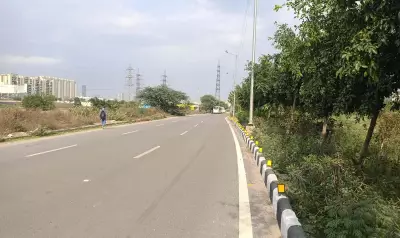
Located just a short distance from the bustling Choryasi toll plaza on the Bharuch–Surat stretch of NH48, villagers created what they termed a "mini toll booth." While lacking the formal boom barriers of official plazas, the operation was conducted with surprising organization and confidence in billing procedures. The primary targets were commercial and private vehicles that had been cleverly circumventing the official toll charges—Rs 420 for buses and trucks, and Rs 125 for cars—by diverting through village internal roads.
Initially, the community had lodged formal complaints with the Choryasi toll plaza authorities regarding this persistent evasion problem. When highway authorities failed to take substantive action to address the situation, the villagers devised their own solution that combined practicality with administrative flair.

Organized Collection with Official Documentation
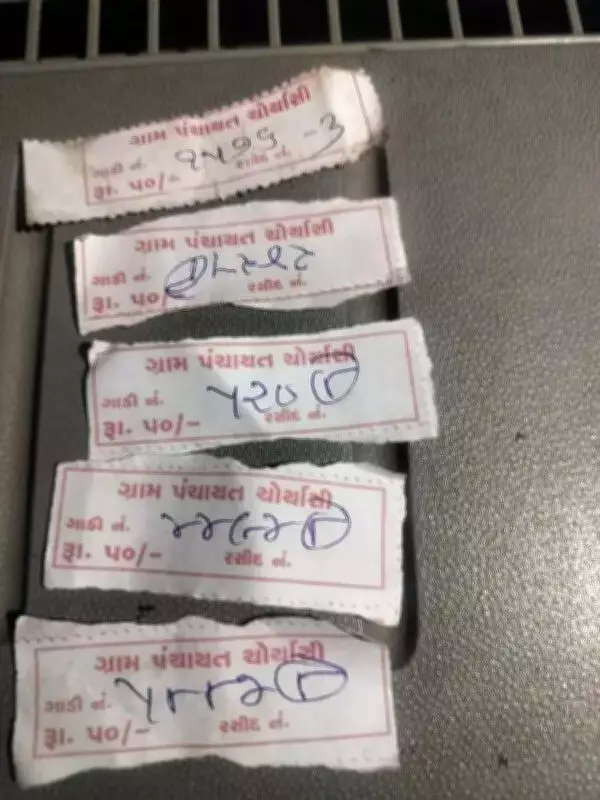
The village's response was methodical and formally documented. After the Choryasi Gram Panchayat passed a specific resolution authorizing the collection, villagers began stopping bypassing vehicles and charging a flat fee of Rs 50 per vehicle. What made this operation particularly noteworthy was the issuance of printed receipts bearing the official designation "Gram Panchayat Choryasi," lending the entire enterprise an air of formal legitimacy.
Choryasi Sarpanch Mukesh Patel confirmed that the decision was reached collectively through village consensus, though he indicated that further comments would be forthcoming as the situation developed. The initiative represented a classic example of community problem-solving when formal systems appeared unresponsive to local concerns.
Regulatory Intervention Halts Grassroots Initiative
The village's entrepreneurial toll collection dreams encountered a significant regulatory obstacle when Kamrej police intervened on Sunday, declaring the operation illegal and putting an immediate stop to all collection activities. Police action was prompted after videos documenting this unique grassroots toll regime began circulating widely on social media platforms, drawing substantial public attention.
Police Inspector R B Gojiya provided details about the intervention, stating, "We became aware of the toll collection activities occurring within the village boundaries. When our team arrived and inquired about proper authorization, villagers presented us with their panchayat resolution document. We have forwarded this documentation to the Taluka Development Officer for verification regarding under which specific regulations such toll collection might be permitted."
Inspector Gojiya added an important clarification from the villagers' perspective, noting that community members had emphasized their collection efforts were not coercive in nature, but rather presented as a voluntary contribution for using village infrastructure.
Broader Implications and Community Response
This incident highlights the creative approaches communities sometimes adopt when facing systemic challenges that directly impact their daily lives and local infrastructure. The villagers' initiative, while ultimately halted by authorities, demonstrates how local governance structures like gram panchayats can mobilize to address what they perceive as external problems affecting their community.
The situation also raises questions about toll evasion strategies on major national highways and the strain such practices place on adjacent village roads not designed for heavy through traffic. While the police intervention established the legal boundaries of such community-led initiatives, the underlying issue of toll evasion through village bypass routes remains unresolved, potentially requiring more comprehensive solutions from highway authorities.