Phone Tapping Scandal: SIT to Question Former CM KCR in Hyderabad
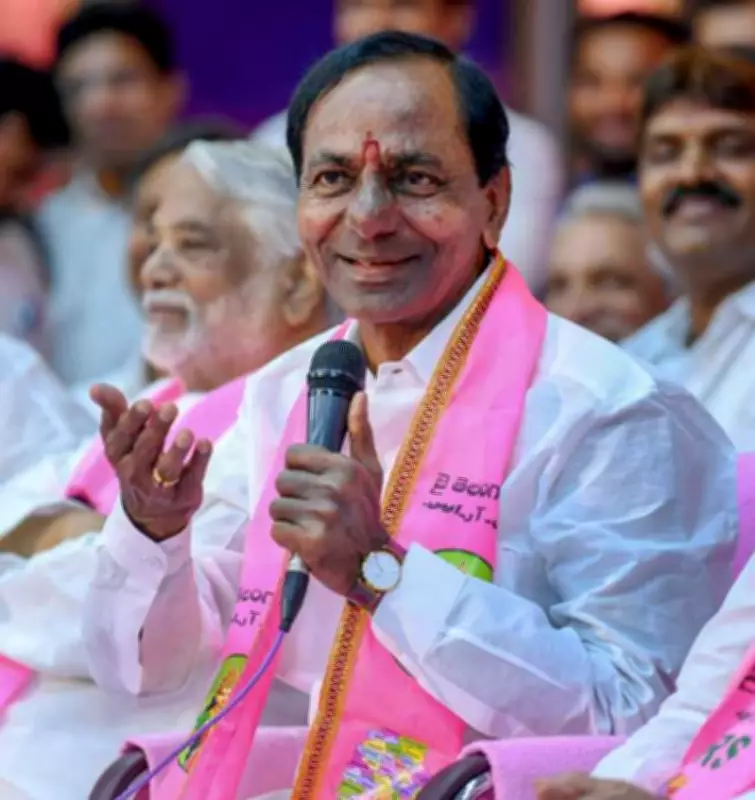
A Special Investigation Team (SIT) has been authorized to interrogate former Telangana Chief Minister K Chandrashekar Rao, commonly known as KCR, in connection with a high-profile phone tapping case that has rocked the state's political landscape. The investigation centers on allegations of unauthorized surveillance during KCR's tenure as the head of the Telangana government.
Details of the Alleged Phone Tapping Incident
The case involves claims that phones of various individuals, including political opponents, journalists, and government officials, were illegally monitored. Authorities suspect that this surveillance was conducted to gather sensitive information and potentially influence political outcomes. The SIT, formed to delve into these serious accusations, is now preparing to question KCR directly in Hyderabad, where the alleged activities took place.
Implications for Telangana's Political Environment
This development marks a significant escalation in the ongoing probe, as it brings a former chief minister under scrutiny. The investigation could have far-reaching consequences for Telangana's political dynamics, potentially affecting upcoming elections and public trust in governance. Legal experts suggest that the findings might lead to charges under relevant laws concerning privacy violations and misuse of power.

Next Steps in the Investigation Process
The SIT is expected to conduct a thorough examination, including reviewing electronic evidence and interviewing multiple witnesses. KCR's interrogation will be a critical phase, as it aims to uncover the extent of his involvement or knowledge regarding the phone tapping operations. The team has emphasized its commitment to a transparent and impartial inquiry to ensure justice is served.
As the case unfolds, it continues to draw national attention, highlighting issues of surveillance, privacy rights, and accountability in Indian politics. The outcome of this investigation could set a precedent for how similar cases are handled in the future, reinforcing the importance of upholding democratic principles and the rule of law.