

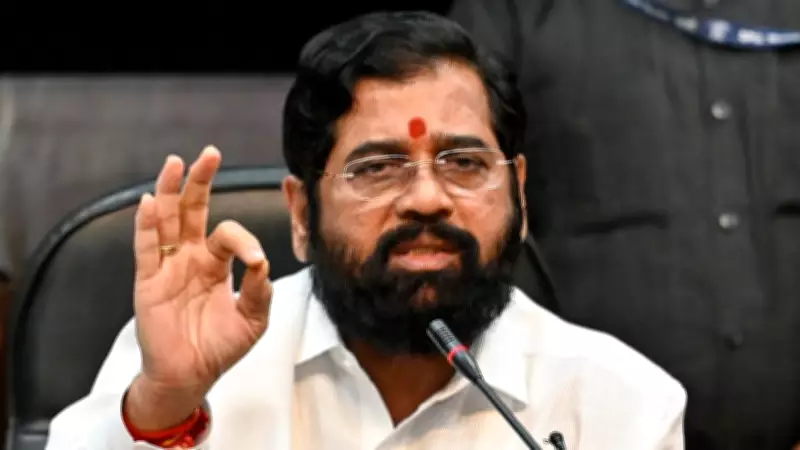
Shinde Sena Achieves Landmark Victory in Maharashtra's Zilla Parishad Elections
The recent Zilla Parishad elections in Maharashtra have delivered a decisive verdict, with Deputy Chief Minister Eknath Shinde's Shiv Sena emerging as a dominant force, significantly outperforming Uddhav Thackeray's Sena UBT. The results underscore a strategic shift in rural politics, highlighting Shinde's successful outreach and organizational strength.
Electoral Performance and Key Statistics
Across 12 districts, where 731 seats were contested, Shinde Sena secured 162 out of the 387 seats it contested, achieving a strike rate of approximately 42 percent. In comparison, the Bharatiya Janata Party (BJP) won 225 seats from 502 contests, with a strike rate of 44.82 percent. Meanwhile, Sena UBT was limited to a mere 43 seats in these districts, reflecting a substantial gap in electoral success.
This performance is particularly noteworthy as it surpasses the undivided Shiv Sena's tally from the 2017 Zilla Parishad elections, where the party had won 148 seats in the same districts. Shinde Sena's 162 seats mark a clear improvement, signaling growing influence in rural areas.

Panchayat Samiti Results and Regional Dominance
In the Panchayat Samiti elections, Shinde Sena further solidified its position by winning 302 seats, while Sena UBT managed only 89. The Konkan region, traditionally a Shiv Sena stronghold after Mumbai, provided the most striking results. In Ratnagiri, Shinde Sena won 41 out of 56 seats, securing an outright majority, with Congress and Sharad Pawar-led NCP(SP) failing to win any seats, and Sena UBT limited to five.
In Raigad, Shinde Sena emerged as the single largest party with 23 seats, bolstered by influential leaders such as minister Bharat Gogawale and MLAs Mahendra Dalvi and Mahendra Thorve. Sena UBT won only four seats here. Similarly, in Sindhudurg, the Sena-BJP alliance gained control, with BJP winning 27 seats and Shinde Sena 13, thanks to coordinated campaigning by figures like Deepak Kesarkar and the Rane family. Uddhav's party secured just three seats in this district.
Expansion into Western Maharashtra and Marathwada
While not dominating as the NCP once did, Shinde Sena has established a visible presence in parts of western Maharashtra and Marathwada. In Sangli's Khanapur taluka, the party swept all four Zilla Parishad seats and eight Panchayat Samiti seats, with MLA Suhas Babar credited for this achievement. In Satara, minister Shambhuraj Desai maintained influence in his area. In Kolhapur and Latur, where Shinde Sena contested as part of the Mahayuti alliance with BJP and Ajit Pawar-led NCP, the coalition secured a majority.
Campaign Strategies and Organizational Insights
A senior Sena functionary revealed that Eknath Shinde held over 20 rallies, personally leading campaigns across Konkan, western Maharashtra, and Marathwada. In contrast, Sena UBT chief Uddhav Thackeray relied more on district-level leadership. The functionary emphasized that outside Mumbai, the organizational space once associated with the undivided Shiv Sena now largely resides with Shinde's faction, a trend expected to influence upcoming polls.
This electoral outcome not only highlights Shinde Sena's growing clout but also points to a realignment in Maharashtra's political landscape, with rural areas becoming a key battleground for future contests.






