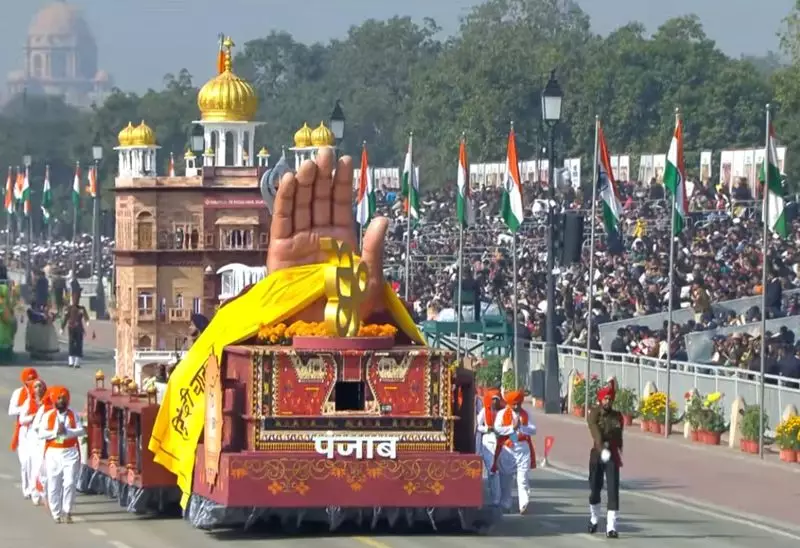
The vibrant state of Punjab made a profound statement at the national Republic Day celebrations with its meticulously crafted tableau, dedicated to commemorating the 350th anniversary of the martyrdom of Guru Tegh Bahadur, the ninth Sikh Guru. This artistic presentation served as a powerful tribute to his supreme sacrifice and enduring legacy, capturing the essence of Sikh spirituality and valor.
A Tribute to Sacrifice and Spiritual Legacy
The Punjab tableau was a visual masterpiece, designed to evoke deep reverence and historical awareness among spectators. It featured intricate depictions of key moments from Guru Tegh Bahadur's life, emphasizing his unwavering commitment to protecting religious freedom and standing against oppression. The design incorporated traditional Sikh symbols and motifs, creating a resonant narrative that highlighted the Guru's teachings of peace, justice, and selfless service.
Symbolism and Artistic Elements
Artisans and designers poured immense effort into ensuring every detail of the tableau reflected the gravity of the occasion. Elements such as the Nishan Sahib (Sikh flag), representations of the Golden Temple, and scenes from the Guru's martyrdom were prominently displayed. These components not only honored his sacrifice but also celebrated the rich cultural and spiritual heritage of Punjab, making it a standout feature in the parade.

Historical Significance and Modern Relevance
Guru Tegh Bahadur's martyrdom in 1675 is a pivotal event in Sikh history, symbolizing resistance against tyranny and the defense of human rights. By marking its 350th anniversary, the Punjab tableau aimed to educate and inspire current generations about these timeless values. It underscored how his legacy continues to influence contemporary society, promoting unity and resilience in the face of adversity.
Public and Official Reactions
The tableau received widespread acclaim from viewers and officials alike, who praised its emotional depth and educational value. Many noted that it successfully bridged historical reverence with modern patriotic fervor, enhancing the Republic Day parade's cultural diversity. This recognition highlights the importance of such tributes in fostering national pride and historical consciousness.
In summary, Punjab's Republic Day tableau was more than just a parade entry; it was a heartfelt homage to Guru Tegh Bahadur's martyrdom, reinforcing the state's commitment to preserving and promoting its spiritual heritage on a national platform.