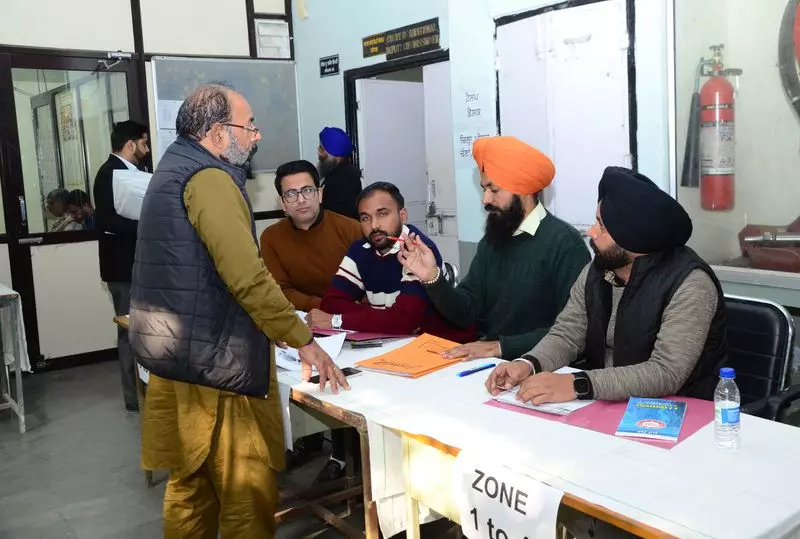
In a significant move to ensure transparency, the Punjab State Election Commission (SEC) has directed its officials to videograph the entire nomination filing process for the upcoming Zila Parishad elections. This decision comes in response to formal complaints lodged by opposition parties alleging irregularities during the nomination phase for the block samiti and zila parishad polls.
Directive Issued Amidst Opposition Allegations
The order was formally issued by Secretary of the State Election Commission, M P Singh. The directive mandates that the Sub-Divisional Magistrates (SDMs), who are serving as the designated Returning Officers for these rural local body elections, must arrange for videography of the nomination proceedings. The commission's action is a direct consequence of complaints received from major opposition parties in the state, including the Aam Aadmi Party (AAP) and the Shiromani Akali Dal (SAD).
These parties had raised serious concerns, claiming that their candidates were being deliberately hindered from filing nomination papers for the zila parishad and block samiti seats. The opposition alleged that supporters and workers of the ruling party were creating obstructions at the nomination centers, preventing a fair and open process.

Details of the Commission's Order
The SEC's instructions are clear and comprehensive. The videography must cover the entire process of nomination submission and scrutiny that is taking place across the state. The order specifies that the footage should clearly capture the activities at the nomination reception desk, the interaction between candidates or their proposers and the election officials, and the overall environment at the venue.
This visual record is intended to serve as an impartial evidence log. It will help the commission verify the claims of obstruction and ensure that all political parties and candidates receive a fair opportunity to participate in the democratic process. The move is seen as a preventive measure to curb any potential malpractice and to bolster public confidence in the election machinery.
Background and Political Context
The elections for the zila parishads and panchayat samitis are crucial for local governance in Punjab. The nomination process for these polls began recently and has been mired in controversy from the outset. The AAP and SAD had submitted detailed complaints to the State Election Commission, outlining specific instances where their party workers were reportedly blocked or intimidated.
By ordering videography, the SEC has taken a proactive step to address these grievances head-on. The commission emphasized that its primary duty is to conduct free, fair, and peaceful elections. This technological intervention is aimed at bringing a higher degree of accountability and transparency to a process that is often vulnerable to local-level conflicts and pressures.
The scrutiny of nominations is scheduled for February 21, followed by the withdrawal of candidatures on February 22. The final list of contesting candidates will be published on the same day after the withdrawal period closes. The actual polling for the zila parishad and block samiti seats is set to take place on March 10.
Implications and Expected Outcomes
The SEC's directive is expected to have several immediate effects. Firstly, it is likely to act as a deterrent against any overt attempts to disrupt the nomination process, as all actions will be on record. Secondly, it provides the commission with an independent tool to investigate any future complaints objectively. If any wrongdoing is established through the video evidence, the commission can take strict action against those responsible.
This move has been cautiously welcomed by opposition parties, who see it as a vindication of their complaints. It underscores the role of election commissions as guardians of electoral integrity, especially in the heated atmosphere of local body polls. The success of this measure will depend on its uniform implementation across all districts and nomination centers in Punjab.

As the state moves closer to the election date, all eyes will be on how this new protocol influences the conduct of candidates and parties. The videography order sets a precedent for handling similar situations in future elections, promoting a culture of evidence-based election management.