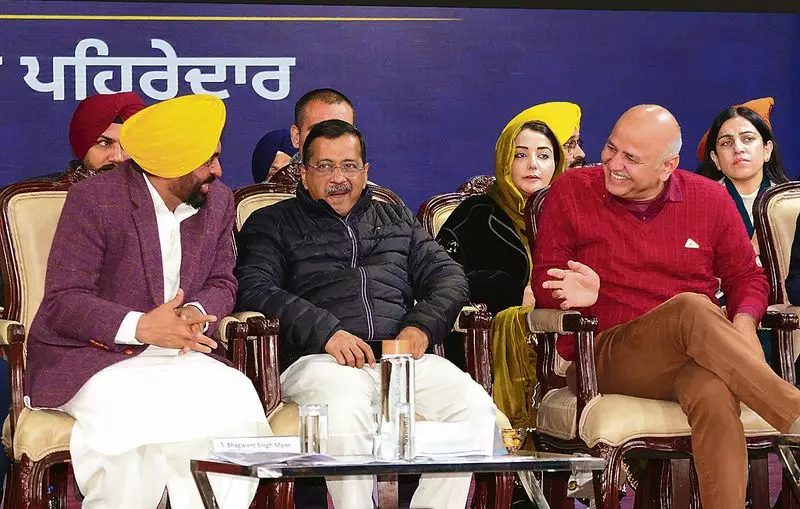
In a decisive move to intensify its crackdown on the narcotics menace, the Punjab government has officially launched the second phase of its ambitious 'War on Drugs' campaign. The announcement was made by Chief Minister Bhagwant Mann, who emphasized a renewed and more aggressive strategy to eradicate the drug problem from the state's roots.
Expanding the Battlefield: From Enforcement to Holistic Action
The first phase of the campaign, initiated earlier, laid the groundwork with enforcement and awareness drives. Phase 2, launched on a recent Sunday, marks a significant escalation. It shifts focus towards a multi-pronged approach that not only aims to choke the supply chain but also places immense importance on demand reduction and community rehabilitation.
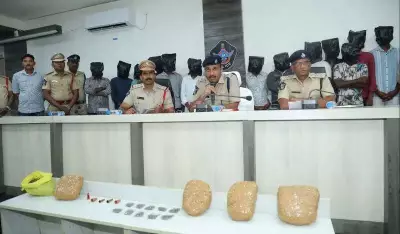
Chief Minister Mann, while addressing the media, outlined the core objectives of this new phase. The strategy will involve identifying and relentlessly targeting drug hotspots across the state. This includes villages, towns, and specific localities known for high drug trafficking or abuse. The government plans to deploy a combination of heightened police vigilance, community policing initiatives, and advanced intelligence gathering to dismantle these networks.
Rehabilitation and Awareness: The Pillars of Phase 2
A cornerstone of the second phase is a strengthened commitment to rehabilitation. The government acknowledges that enforcement alone is insufficient. Therefore, a major component involves expanding and improving de-addiction facilities and support systems for victims. The campaign, under the banner 'Nasha Roku Punjab', will actively encourage families and communities to come forward and seek help for addicts, assuring them of government support and confidential treatment.
The plan includes:
- Enhanced access to de-addiction centers across all districts.
- Community-led awareness programs in schools, colleges, and villages.
- Special training for healthcare workers and volunteers to handle drug dependency cases.
- Initiatives to engage youth in productive activities through sports and skill development.
This holistic model aims to create a supportive environment for recovery while simultaneously deterring new users through education and engagement.
Political Consensus and Public Participation
Interestingly, the launch saw a display of political unity on the critical issue. The event was attended by prominent leaders from various parties, including the Congress and the Bharatiya Janata Party (BJP). This sent a strong message that the fight against drugs transcends political lines in Punjab. Chief Minister Mann appealed for continued all-party support and, more importantly, active public participation.
The government has urged citizens to use helplines and official channels to report drug-related activities anonymously. This community intelligence is considered vital for pinpointing peddlers and suppliers operating in hidden networks. The administration has promised swift and stringent action on all credible inputs received from the public.
The launch of Phase 2 represents a critical juncture in Punjab's long-standing battle against narcotics. By combining aggressive law enforcement with compassionate rehabilitation and a call for societal unity, the Bhagwant Mann-led government aims to turn the tide. The success of this campaign will depend heavily on sustained effort, adequate resource allocation, and the collective will of Punjab's people to reclaim their society from the grip of addiction. The state watches with hope as this intensified war on drugs unfolds.