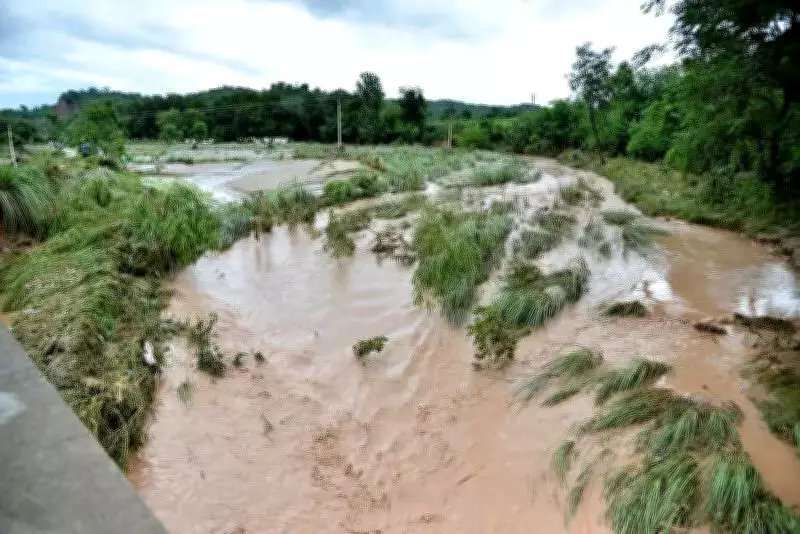
Punjab Cabinet Greenlights Citizen-Focused River Desilting Initiative
The Punjab cabinet has given its official approval to a groundbreaking, citizen-focused policy that empowers landowners to undertake desilting operations on rivers, choes, and drains across the state. This significant move, announced on Friday, specifically includes major waterways such as the Satluj, Beas, and Siswan rivers. Under this new framework, landowners are permitted to carry out desilting activities at their own personal expense, with the added benefit of utilizing the excavated silt and material completely free of charge.
Strategic Flood Preparedness Ahead of Monsoon Season
The primary objective of this innovative policy is to substantially strengthen Punjab's flood preparedness in anticipation of the upcoming monsoon rains. By facilitating the removal of silt from critical river stretches, the government aims to improve overall river flow and enhance the carrying capacity of these vital water channels. An official spokesperson emphasized the initiative's goals, stating: "This will facilitate expeditious desilting of critical reaches, enhance the carrying capacity of rivers and choes, and significantly reduce the risk of floods, thereby safeguarding public and private property."
Addressing Vulnerable Sites and Historical Flood Damage
The Punjab government has meticulously identified nine specific sites where urgent desilting is required to ensure the smooth and unimpeded flow of water during the monsoon season. Officials have warned that failure to execute desilting at these locations could lead to dangerous silt accumulation, reduced river capacity, and a markedly increased risk of devastating floods. Furthermore, the continued non-utilization of excavated material has been a persistent issue.

To combat these challenges and ensure timely desilting before the 2026-27 monsoon season, the cabinet decided to authorize concerned landowners to initiate and fund these operations themselves. Punjab Finance Minister Harpal Singh Cheema highlighted the urgency, noting that parts of the state suffered significant losses during recent floods. The government has pinpointed several vulnerable areas in close proximity to the Satluj and Ghaggar rivers, including:
- Harsha Bela in Ropar district
- Mandala Tajowal in SBS Nagar
- Badhakali Raun in Ferozepur
- Ruknewala in Ferozepur
- Burj Tehaldas in SBS Nagar
Policy Mechanics and Expected Benefits
This proactive policy is designed to address sites that have been non-responsive to traditional government-led desilting efforts. By permitting landowners to undertake the work at their own cost while granting them free use of the excavated material, the state anticipates several key benefits:
- Expedited Execution: Desilting works can proceed more quickly without bureaucratic delays.
- Risk Reduction: Potential flood risks and associated liabilities are expected to decrease substantially.
- Resource Utilization: The excavated material, which was previously going to waste, can now be productively used by landowners.
- Enhanced Capacity: Rivers and choes will regain their natural carrying capacity, improving water management.
This citizen-empowered approach represents a strategic shift in Punjab's flood management strategy, leveraging private initiative for public safety and environmental sustainability.