Punjab Government Prioritizes Stubble Management in Agriculture Action Plan
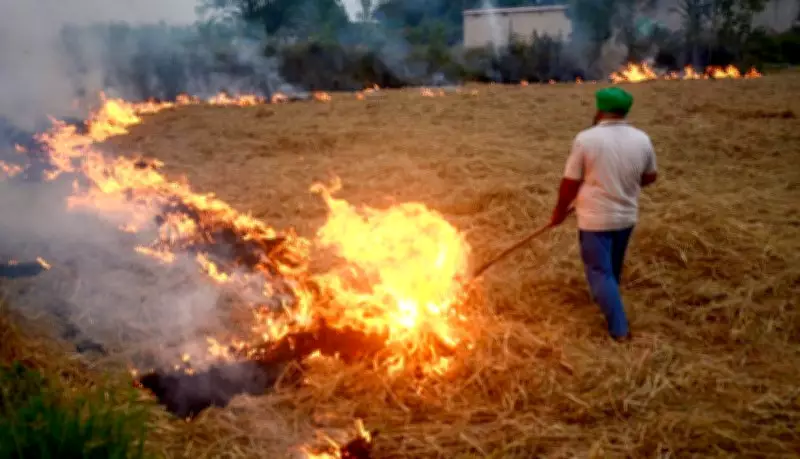
The Punjab government has announced a significant allocation of 43 percent of its agriculture action plan budget specifically for stubble management initiatives. This strategic move comes ahead of the upcoming paddy season, reflecting a focused effort to address the critical issue of crop residue burning, which has long been a major contributor to air pollution in the region and beyond.
Budget Allocation Details and Environmental Goals
Under the newly unveiled agriculture action plan, a substantial portion of the financial resources is being directed towards stubble management. This allocation is designed to support various programs and technologies aimed at reducing the practice of burning paddy straw, which typically peaks after the harvest season. The government's objective is to mitigate the severe air quality degradation that affects not only Punjab but also neighboring states, including the National Capital Region (NCR).
The emphasis on stubble management underscores Punjab's commitment to sustainable agricultural practices. By investing in this area, the state aims to promote alternatives such as in-situ management, where crop residue is incorporated back into the soil, and ex-situ solutions, including the use of stubble for biomass energy or other industrial purposes. These measures are expected to help farmers adopt eco-friendly methods while maintaining productivity.

Implementation Strategies and Farmer Support
To effectively utilize the allocated funds, the Punjab government plans to roll out a multi-faceted approach. This includes providing subsidies for machinery like happy seeders and straw balers, which assist in managing stubble without burning. Additionally, awareness campaigns and training programs will be conducted to educate farmers about the benefits of proper stubble management and the legal repercussions of residue burning.
The timing of this allocation is crucial, as it aligns with the pre-paddy season preparations, ensuring that resources are in place before harvesting begins. This proactive stance is intended to prevent the annual spike in pollution levels that has been linked to stubble burning, thereby safeguarding public health and the environment.
Broader Implications for Agriculture and Pollution Control
This initiative is part of a larger effort by the Punjab government to transform its agricultural sector into a more sustainable and environmentally responsible industry. By dedicating nearly half of the agriculture action plan budget to stubble management, the state is sending a clear message about its priorities in combating air pollution and promoting green farming techniques.
The success of this plan could serve as a model for other states grappling with similar issues, highlighting the importance of targeted financial investments in addressing environmental challenges. As the paddy season approaches, all eyes will be on Punjab to see how effectively these measures are implemented and their impact on reducing stubble burning incidents.