Kanpur Temple Priest Expelled Following Viral Meat-Eating Photo Controversy
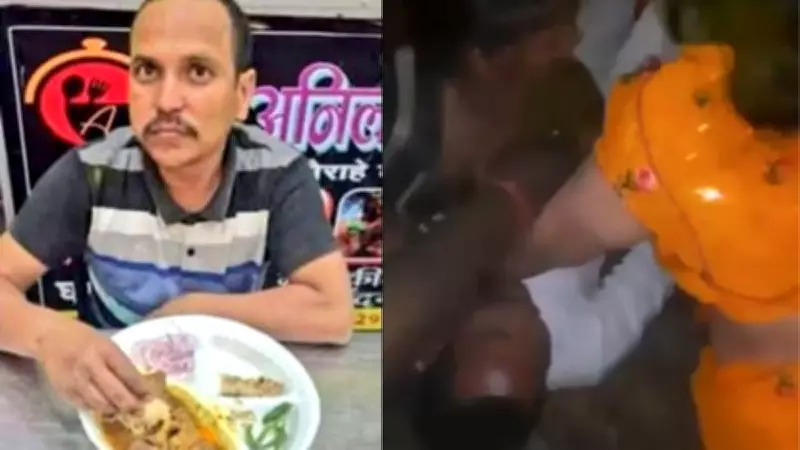
A significant controversy has erupted in Kanpur, Uttar Pradesh, leading to the expulsion of a temple priest after a photograph allegedly depicting him consuming non-vegetarian food circulated widely on social media platforms. The incident has ignited intense debate and anger among local residents, culminating in swift disciplinary action by the temple authorities.
Viral Photo Sparks Widespread Outrage and Debate
The controversy began when an image, purportedly showing Prashant Giri, a priest at a temple in Kanpur, eating meat-based dishes, went viral across various social media channels. This photograph quickly garnered attention, with many users expressing shock and disapproval, given the traditional vegetarian norms often associated with Hindu priesthood and temple practices in the region.
The viral nature of the photo amplified the reaction, leading to a surge of comments and shares that highlighted the cultural and religious sensitivities involved. Local residents, particularly those who frequent the temple, voiced their concerns, arguing that such behavior contradicts the ethical and dietary standards expected of religious figures. The situation escalated as discussions spread from online forums to community gatherings, putting pressure on the temple management to address the issue promptly.

Temple Authorities Take Swift Disciplinary Action
In response to the growing public outcry, the temple authorities conducted a thorough review of the allegations. After verifying the authenticity of the viral photograph and considering the sentiments of the devotees, they decided to expel Prashant Giri from his position as priest. This decision was announced formally, emphasizing the temple's commitment to upholding the values and traditions cherished by the local community.
The expulsion underscores the broader implications of social media in shaping public opinion and influencing institutional decisions. It also reflects the ongoing tensions between personal freedoms and professional responsibilities, especially in roles tied to religious and cultural institutions. The temple management stated that their primary concern is to maintain harmony and respect within the community, and they deemed this action necessary to preserve the sanctity of the temple environment.
Broader Implications and Community Reactions
This incident has sparked a wider conversation about the expectations placed on religious figures in India and how their personal lives intersect with their public roles. While some argue that priests should adhere strictly to vegetarianism as a symbol of purity and devotion, others question whether such dietary choices should be a matter of public scrutiny or disciplinary action.
Local residents have expressed mixed reactions to the expulsion. Many support the temple's decision, viewing it as a necessary step to uphold religious norms and community standards. However, a minority have raised concerns about privacy and the potential for social media to unfairly target individuals, suggesting that more nuanced discussions are needed regarding personal conduct versus professional duties.
The controversy also highlights the rapid spread of information in the digital age and its impact on local governance and cultural practices. As similar incidents have occurred elsewhere, this case in Kanpur serves as a reminder of the challenges faced by institutions in balancing tradition with modernity, and in managing public perception in an era of instant communication.
Moving forward, the temple authorities have indicated that they will reinforce guidelines for priests to prevent future controversies, while also engaging with the community to foster understanding and dialogue. The expulsion of Prashant Giri marks a significant moment in the ongoing discourse on religion, ethics, and social media in contemporary Indian society.