PM Modi Launches Scathing Attack on TMC, Promises to End Syndicate Rule in West Bengal
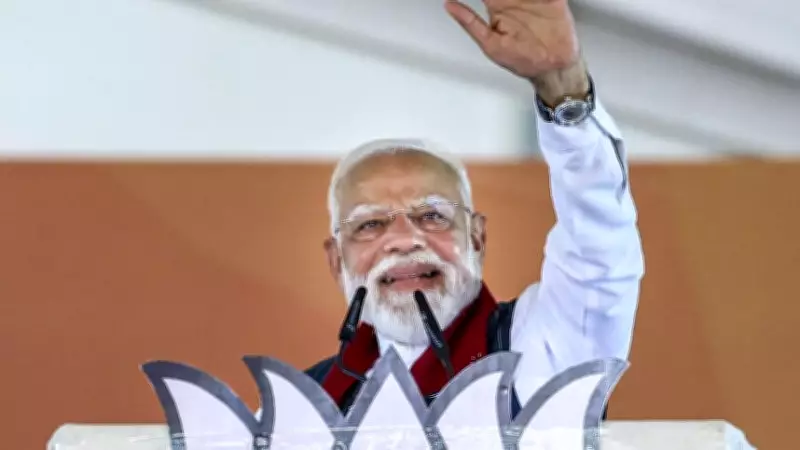
Prime Minister Narendra Modi, in a fiery address at a public rally in Purulia, West Bengal, on April 19, 2026, declared the Bharatiya Janata Party's (BJP) unwavering resolve to uproot the Trinamool Congress's (TMC) syndicate regime in the upcoming West Bengal Assembly elections. The Prime Minister's speech marked a significant escalation in the political battle for the state, as he directly accused TMC ministers of systemic corruption and betrayal of the youth.
Allegations of Corruption in Teacher Recruitment
In his remarks, PM Modi launched a sharp critique of the TMC-led government, specifically targeting alleged malpractices in the teacher recruitment process. He asserted that TMC ministers had engaged in widespread looting, deceiving thousands of aspiring young candidates who sought employment opportunities in the education sector. The Prime Minister emphasized that this corruption not only undermined merit but also robbed the future of West Bengal's youth, calling it a grave injustice that demands accountability.
"The syndicate culture under the TMC has permeated every level of governance, with ministers exploiting their positions for personal gain at the expense of public welfare," Modi stated, highlighting teacher recruitment as a prime example of this alleged malfeasance. He vowed that a BJP government would implement transparent and fair recruitment policies to restore trust and provide genuine opportunities for the state's educated youth.

Political Context and Electoral Strategy
The 2026 West Bengal Assembly elections are shaping up to be a highly contested battle, with the BJP aiming to build on its previous gains and challenge the TMC's dominance. Modi's speech in Purulia is seen as a strategic move to galvanize support in rural and semi-urban areas, where issues like employment and governance resonate strongly. By focusing on corruption and syndicate rule, the BJP seeks to frame the election as a choice between transparency and cronyism, appealing to voters disillusioned with the incumbent administration.
Political analysts note that the teacher recruitment scam allegations have been a persistent point of contention, with the TMC facing criticism over delays and irregularities. Modi's direct attack on this front underscores the BJP's campaign to capitalize on anti-incumbency sentiments and position itself as an agent of change. The Prime Minister's message was clear: the BJP is committed to dismantling what he described as a corrupt and oppressive regime, promising a new era of development and integrity for West Bengal.
Broader Implications for West Bengal Politics
As the election season heats up, Modi's remarks are expected to intensify the political discourse in West Bengal. The TMC has yet to issue a formal response to these allegations, but the party has previously denied any wrongdoing in teacher recruitment, attributing delays to administrative processes. The coming months will likely see increased campaigning and counter-accusations, with both parties vying for the support of key voter segments, including youth, farmers, and urban professionals.
In conclusion, PM Modi's Purulia rally has set a confrontational tone for the 2026 elections, with the BJP rallying against the TMC's syndicate politics and corruption. The focus on teacher recruitment scams highlights broader concerns about governance and accountability, making this a pivotal issue that could influence voter decisions. As the political landscape evolves, all eyes will be on how these narratives unfold in the lead-up to the polls.