Naveen Patnaik Condemns BJP MP Nishikant Dubey's Comments on Biju Patnaik
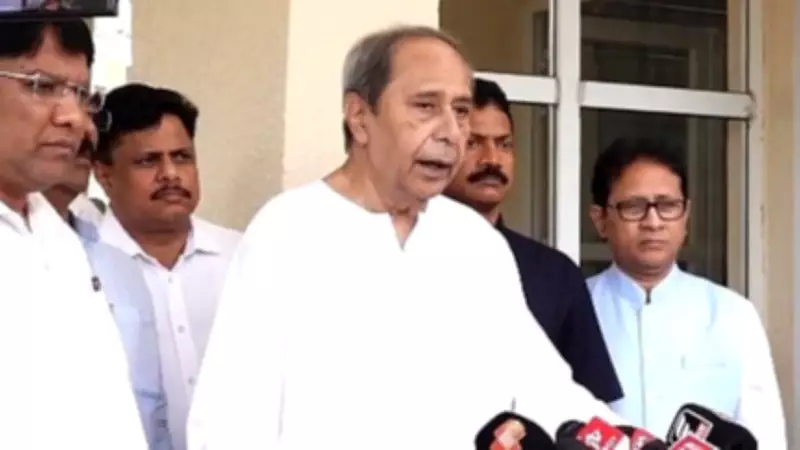
Odisha Chief Minister Naveen Patnaik has launched a sharp rebuke against Bharatiya Janata Party (BJP) Member of Parliament Nishikant Dubey for what he termed as "outrageous" remarks concerning the late Biju Patnaik, a revered figure in Odisha's political history. In a strongly worded statement, Patnaik suggested that Dubey requires the services of a "mental doctor" due to the nature of his comments, which have sparked significant controversy and backlash.
Background of the Controversy
The dispute centers on comments made by Nishikant Dubey, a BJP MP from Jharkhand, during a recent political discourse. Dubey's statements targeted Biju Patnaik, a former chief minister of Odisha and the father of Naveen Patnaik, who is widely respected in the state for his contributions to its development and independence movement. The exact content of Dubey's remarks has not been fully detailed in reports, but they have been described as disrespectful and inflammatory by Patnaik and his supporters.
Naveen Patnaik, who leads the Biju Janata Dal (BJD) party, responded swiftly to the comments, emphasizing the deep emotional and political significance of Biju Patnaik's legacy in Odisha. He accused Dubey of making baseless and offensive allegations that undermine the state's cultural and historical pride. This incident highlights the ongoing political tensions between the BJD and BJP in Odisha, where both parties are vying for influence ahead of upcoming elections.

Political Reactions and Implications
The backlash from Naveen Patnaik has drawn attention from various political quarters, with many leaders and analysts weighing in on the situation. Key points include:
- Patnaik's Defense of Legacy: Naveen Patnaik has consistently positioned himself as a guardian of his father's legacy, using it to bolster his political image and connect with voters in Odisha. His strong reaction to Dubey's comments is seen as an effort to reinforce this narrative and rally support against perceived attacks from opposition parties.
- BJP's Response: The BJP has not issued an official statement on the matter as of the latest reports, but individual party members have expressed mixed views. Some have defended Dubey's right to free speech, while others have distanced themselves from the remarks, acknowledging the sensitivity surrounding Biju Patnaik's memory in Odisha.
- Impact on Odisha Politics: This controversy could have significant implications for the political landscape in Odisha. It may intensify the rivalry between the BJD and BJP, potentially influencing voter sentiment in future elections. Analysts suggest that such incidents often galvanize regional pride, which could benefit Patnaik's party in the short term.
Moreover, the use of the phrase "mental doctor" by Patnaik has added a layer of personal attack to the political dispute, raising questions about the tone of political discourse in India. Critics argue that such language detracts from substantive issues, while supporters view it as a justified response to what they see as egregious behavior.
Historical Context of Biju Patnaik
To understand the gravity of this controversy, it is essential to recognize Biju Patnaik's role in Odisha's history. He served as the chief minister of Odisha and was a prominent freedom fighter, known for his efforts in industrial development and social welfare. His legacy continues to shape the state's identity, with many institutions and policies bearing his name. Naveen Patnaik has often invoked this legacy to legitimize his governance and appeal to the electorate.
In recent years, the BJP has made inroads into Odisha, challenging the BJD's dominance. Incidents like this one underscore the strategic importance of historical figures in political campaigns, as parties seek to align themselves with or distance from certain legacies to gain electoral advantage.
As the situation develops, observers are closely watching for further reactions from both sides and any potential escalation. The controversy serves as a reminder of the volatile nature of Indian politics, where personal attacks and historical references often intertwine with broader policy debates.