O Panneerselvam, Former Tamil Nadu Chief Minister, Aligns with DMK in Political Realignment
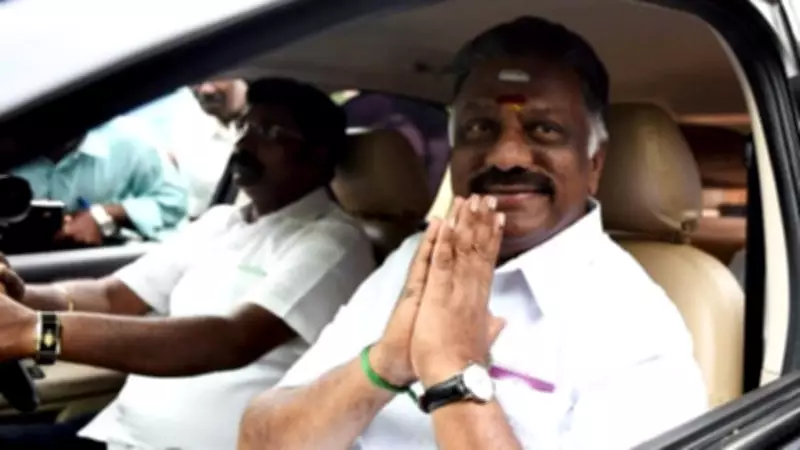
In a dramatic turn of events that is reshaping the political landscape of Tamil Nadu, O Panneerselvam, the former Chief Minister and once-trusted lieutenant of the late Jayalalithaa, has formally joined the Dravida Munnetra Kazhagam (DMK), the arch-rival of his former party, the All India Anna Dravida Munnetra Kazhagam (AIADMK). This decision, announced on February 27, 2026, follows a period of intense speculation and failed negotiations, highlighting deep fissures within the AIADMK and the evolving dynamics of state politics.
Background: OPS's Political Journey and Failed Reunion Efforts
O Panneerselvam, often referred to as OPS, served as the Chief Minister of Tamil Nadu on multiple occasions, most notably as a stand-in for Jayalalithaa during her health crises and legal battles. His political identity has been closely tied to the AIADMK, where he was seen as a loyalist and a key figure in maintaining the party's legacy after Jayalalithaa's passing. However, recent years have seen him at odds with the current AIADMK leadership under Edappadi K Palaniswami (EPS), leading to a bitter factional feud.
In the months leading up to this move, OPS had been actively seeking a return to the AIADMK fold, with efforts reportedly mediated by the Bharatiya Janata Party (BJP). These negotiations aimed to reunite the fractured AIADMK ahead of upcoming state elections, but they ultimately collapsed due to unresolved differences and power struggles within the party. The failure of these talks left OPS with limited options, prompting his surprising shift to the DMK.
Implications for Tamil Nadu Politics
The joining of OPS to the DMK is expected to have significant ramifications:
- Strengthening the DMK: OPS brings with him a considerable support base, particularly among traditional AIADMK voters and those who revered Jayalalithaa. This could bolster the DMK's electoral prospects in key regions.
- Weakening the AIADMK: The departure of a senior leader like OPS further fragments the AIADMK, potentially eroding its voter base and complicating its strategy against the ruling DMK.
- Role of National Parties: The involvement of the BJP in the failed reunion talks underscores the growing influence of national parties in Tamil Nadu's politics, though this episode may strain BJP-AIADMK relations.
Political analysts suggest that this move could redefine alliances and voter loyalties in the state, with OPS's personal rapport with grassroots workers potentially swaying public opinion. The DMK, led by M.K. Stalin, has welcomed OPS, viewing his entry as a strategic gain that could help consolidate anti-AIADMK sentiments.
Future Outlook and Electoral Dynamics
As Tamil Nadu gears up for future elections, the realignment triggered by OPS's decision is likely to intensify political competition. Key factors to watch include:
- Voter Response: How traditional AIADMK supporters react to OPS joining their long-time rival.
- Internal DMK Dynamics: The integration of OPS into the DMK's structure and his potential role in the party hierarchy.
- AIADMK's Counter-Strategy: Whether the AIADMK under EPS can rally its cadres and present a united front despite this setback.
This development marks a pivotal moment in Tamil Nadu's political history, with OPS's journey from a Jayalalithaa confidant to a DMK member symbolizing the fluid and often unpredictable nature of state politics. The coming months will be crucial in determining the long-term impact of this alliance on governance and electoral outcomes.