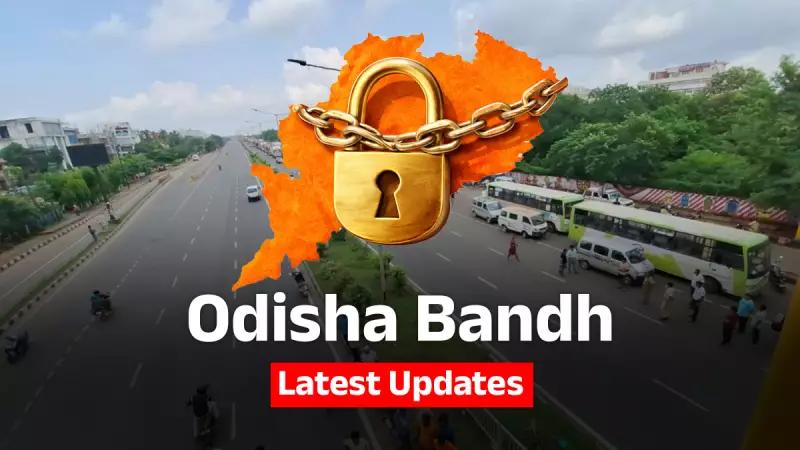
Odisha Bandh Today: Transport Services Likely to Be Affected as Farmers' Body Calls for Protest
The state of Odisha is witnessing a significant disruption today, January 28, 2026, as the Navnirman Krushak Sangathan has called for a statewide bandh. This protest action is aimed at drawing attention to the alleged poor implementation of the Mahatma Gandhi National Rural Employment Guarantee Act (MGNREGA) and other agrarian issues affecting farmers across the region.
Key Demands and Reasons Behind the Bandh
The Navnirman Krushak Sangathan, a prominent farmers' organization in Odisha, has organized this bandh to press for several critical demands. Central to their protest is the call for better and more transparent execution of the MGNREGA scheme, which guarantees 100 days of wage employment per year to rural households. The farmers allege that there have been delays in wage payments, irregularities in job allocation, and a lack of adequate work opportunities under the program.
In addition to MGNREGA-related grievances, the sangathan is also highlighting broader agricultural concerns, including:

- Inadequate procurement prices for crops
- Issues with crop insurance and compensation for losses
- Lack of proper irrigation facilities and support for sustainable farming practices
Impact on Transport and Daily Life
As the bandh comes into effect, transport services across Odisha are likely to be severely affected. Reports indicate that bus services, both state-run and private, may face disruptions, with many operators choosing to suspend operations to avoid potential conflicts or damage. Auto-rickshaws and taxi services might also operate on a limited scale, particularly in urban centers like Bhubaneswar, Cuttack, and Puri.
The protest could lead to road blockades and demonstrations in key areas, further hampering the movement of vehicles and commuters. Authorities have advised the public to plan their travel accordingly and stay updated on the latest developments. Essential services, such as hospitals and emergency response units, are expected to remain functional, but delays might occur due to the overall unrest.
Government Response and Security Measures
In anticipation of the bandh, the Odisha government has deployed additional police forces in sensitive locations to maintain law and order. Officials are monitoring the situation closely and have urged protestors to maintain peace and avoid any violence or vandalism. The administration has also assured that steps are being taken to address the farmers' concerns, with discussions likely to be held post-protest to find a resolution.
However, the Navnirman Krushak Sangathan has emphasized that this bandh is a peaceful demonstration of their dissatisfaction and a call for immediate action. They have appealed to the public to support their cause, highlighting the long-standing issues that have plagued the agricultural sector in Odisha.
Broader Implications for Rural Employment and Agriculture
This protest underscores the ongoing challenges in rural employment and agricultural sustainability in India. MGNREGA, launched in 2005, remains a crucial social security net for millions, but its implementation has often been criticized for inefficiencies and corruption. The Odisha bandh brings these issues to the forefront, reflecting a growing discontent among farmers who feel marginalized in policy decisions.
As the day progresses, the impact of the bandh will become clearer, with potential effects on markets, educational institutions, and commercial activities. Stakeholders, including farmers, government bodies, and civil society, are watching closely, as the outcome could influence future policies and protests in the region.