Odisha Assembly Erupts in Heated Debate Over Drinking Water Projects
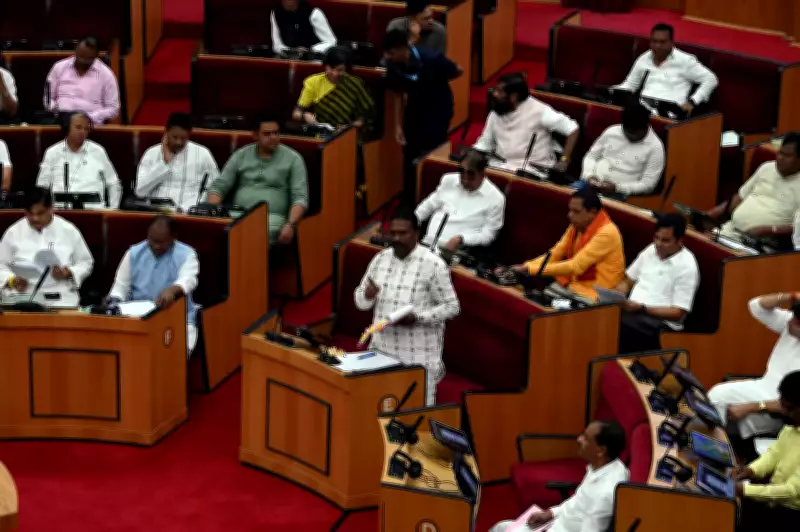
The Odisha legislative assembly in Bhubaneswar witnessed a fiery confrontation on Tuesday during Question Hour, as the ruling Bharatiya Janata Party (BJP) and opposition Biju Janata Dal (BJD) clashed over the pace of drinking water project implementation across the state.
Minister's Claims Spark Immediate Uproar
The heated exchange was triggered when Panchayati Raj and Drinking Water Minister Rabi Narayan Naik squarely blamed the previous BJD government for the sluggish progress of drinking water initiatives. In a statement that ignited protests from BJD members, Naik asserted that the current BJP-led administration had successfully dug 26,000 tube wells within just one year—a feat he claimed took the prior BJD government a full 24 years to accomplish.
This comparison led to immediate uproar, with BJD legislators vociferously objecting while some BJP members attempted to shout them down. The commotion briefly disrupted assembly proceedings, forcing Speaker Surama Padhy to intervene. She issued a stern warning, cautioning that she would be "forced to call them by names" if members continued to disregard the chair's authority.
Detailed Project Updates and Allegations
The confrontation began when BJP MLA Durga Prasan Nayak sought supplementary clarification regarding drinking water supply. Responding to a question from fellow BJP MLA Manoranjan Dyan Samantara, Minister Naik provided a detailed breakdown of ongoing efforts.
He informed the House that the government is currently executing 207 mega drinking water projects statewide. Of these, 26 have been completed, with another 28 projected to be finished by the end of the current month. Naik reiterated the state's ambitious target to ensure safe drinking water supply for every household by March 2027.
Providing concrete statistics, the minister disclosed that drinking water has already reached 68.47 lakh families, covering approximately 77% of households as of March 5. Furthermore, projects have become functional in 11,777 out of Odisha's 44,531 villages. Naik attributed earlier delays in several projects to faulty detailed project reports prepared under the previous administration.
Opposition Raises Health and Implementation Concerns
Opposition Chief Whip Pramila Mallick raised alarming concerns about rising cases of cancer and kidney disease in Palatapur panchayat of Jajpur district, allegedly caused by contaminated tube well water. Minister Naik assured the assembly that a specialized team would promptly visit the affected area, conduct comprehensive water quality testing, and submit a detailed report.
Congress Legislature Party Leader Rama Chandra Kadam emphasized that drinking water issues plague the entire state, not just isolated regions. In response to a question from Congress MLA Sagar Charan Das, Naik submitted a written reply outlining the government's commitment to ensuring safe and adequate drinking water for all rural households through various schemes.
These initiatives include:
- Single village schemes
- Multi-village schemes
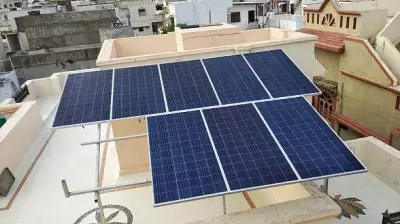
- Solar-based schemes
- Mega piped water supply projects
Challenges and Corrective Measures
Minister Naik acknowledged several implementation hurdles causing irregular supply, poor water quality, and defunct schemes in certain gram panchayats. Key challenges identified include:
- Land acquisition difficulties
- Contractor non-performance
- Delays in right of way (ROW) clearances from departments such as National Highways, NHAI, forest, and railways
- Power supply constraints
- Aging infrastructure in legacy schemes
To address these issues and ensure timely project completion, the government has implemented corrective measures. These include creating institutional mechanisms for enhanced inter-departmental coordination, notably a committee headed by the development commissioner to streamline processes and overcome bureaucratic obstacles.
The assembly session highlighted both the progress made and the significant challenges remaining in Odisha's mission to provide universal access to safe drinking water, with political tensions underscoring the urgency of this critical infrastructure priority.