

OBC Reservation Announcement Brings Clarity to Ulhasnagar's Political Scenario
The recent declaration of OBC reservation for the prestigious position of Mayor in the Ulhasnagar Municipal Corporation has brought significant clarity to the city's complex political landscape. This development has firmly positioned Shiv Sena as the leading contender to secure the top municipal post, effectively reshaping local power dynamics.
Three Strong Contenders Emerge from Shiv Sena Ranks
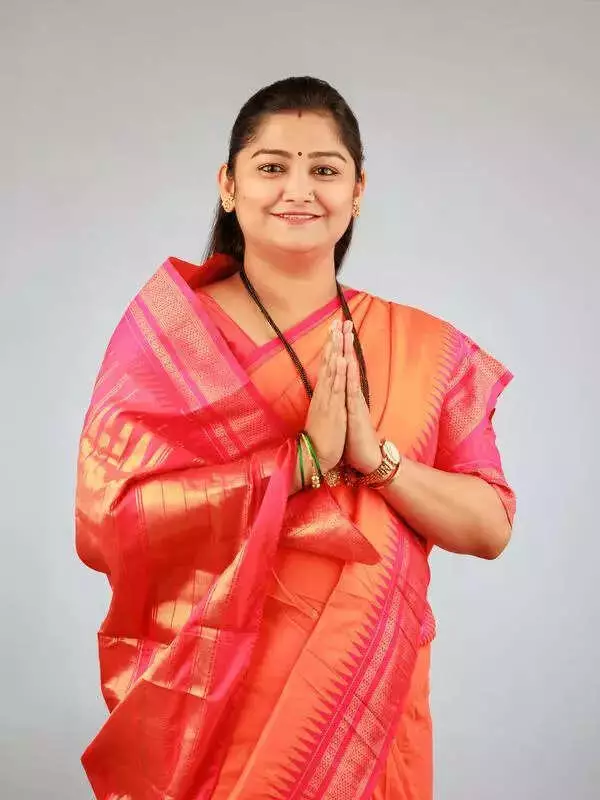
Following the reservation decision, political circles are actively discussing three prominent names from Shiv Sena who have emerged as the strongest candidates for the mayoral position. The leading contenders include Ashwini Nikam, Dimple Narendra Thakur, and Rajendra Chaudhary, each bringing distinct political credentials and community support to the table.
Notably, both Ashwini Nikam and Dimple Narendra Thakur are associated with the influential Team Omie Kalani (TOK) faction, which played a decisive role in the recent civic elections. According to reliable sources, under the strategic leadership of Shiv Sena MP Shrikant Shinde, twenty-seven candidates from Team Omie Kalani contested the elections using the Shiv Sena symbol, with an impressive eighteen emerging victorious.

Internal Power-Sharing Dynamics Come into Play
Given this significant electoral contribution, political observers believe that Shinde might consider offering the initial two-and-a-half-year mayoral term to the TOK faction as part of internal power-sharing arrangements within the party and its alliance partners. This strategic move would acknowledge the faction's crucial role in securing electoral success while maintaining party unity.
Detailed Profiles of Leading Contenders
Ashwini Nikam has emerged as a serious contender due to her substantial organizational backing within the party structure. Her husband, Kamlesh Nikam, serves as the official spokesperson of Team Omie Kalani and is widely regarded as one of Omie Kalani's closest confidants. He played a pivotal role in strengthening the strategic alliance between TOK and Shiv Sena while simultaneously maintaining cordial relations with local Shiv Sena leaders.
Ashwini Nikam herself brings impressive credentials to the table, having studied law and actively participated in extensive social work alongside her husband. This combination provides her with both administrative understanding and valuable grassroots exposure, making her a well-rounded candidate for municipal leadership.
Community Representation and Political Legacy
Another prominent OBC face from the TOK camp is Dimple Narendra Thakur, a thirty-eight-year-old graduate in Business Management. Belonging to the influential Sindhi community, which holds considerable sway in Ulhasnagar—often described as a Sindhi-dominated city—Dimple Thakur comes from an established political family with deep roots in local governance.
Her father, Narendra (Kumari) Thakur, has been elected as a corporator five times, demonstrating the family's enduring political presence. The Thakur family is credited with several notable development initiatives in the city, including the construction of Sindhi Bhavan and the beautification of Sapna Garden. At a time when Shiv Sena is actively working to strengthen its connection with the Sindhi community, Dimple Thakur represents a socially and politically suitable candidate who bridges community interests with party objectives.
The Organizational Veteran Option
If Shiv Sena chooses to nominate a candidate purely from its core organizational leadership, Rajendra Chaudhary, the Ulhasnagar Mahanagar Pramukh, stands out as the strongest option. Associated with Shiv Sena for nearly four decades, Chaudhary has been elected as a corporator for the seventh consecutive time, demonstrating remarkable political longevity and consistent electoral success.

His appeal extends across multiple linguistic communities, enjoying support from Marathi, Sindhi, and Hindi-speaking constituents alike. Chaudhary's political standing receives additional strength from his family's municipal legacy, as his wife, Rajshree Chaudhary, previously served a complete two-and-a-half-year term as Mayor, providing valuable administrative experience within the household.
Electoral Mathematics and Alliance Dynamics
In the recent civic elections, Shiv Sena strategically contested in alliance with three key local groups: Team Omie Kalani, the SAI group, and the RPI. Meanwhile, the BJP chose to fight independently, altering the traditional political equations in the region. With the consolidated support of its alliance partners, Shiv Sena has successfully reached the crucial majority mark of forty corporators, making the election of a Shiv Sena Mayor almost mathematically certain.
The Final Decision Awaits
The only remaining suspense revolves around which of these three qualified leaders will ultimately receive the party's nomination to lead Ulhasnagar. The decision, expected in the coming days, carries significance beyond merely determining the Mayor's chair. It will fundamentally shape the city's political narrative and governance approach for the next two-and-a-half years, influencing development priorities, community relations, and administrative efficiency.
This selection process represents more than just internal party politics—it reflects broader strategic considerations about community representation, alliance management, and long-term political positioning in one of Maharashtra's significant urban centers.





