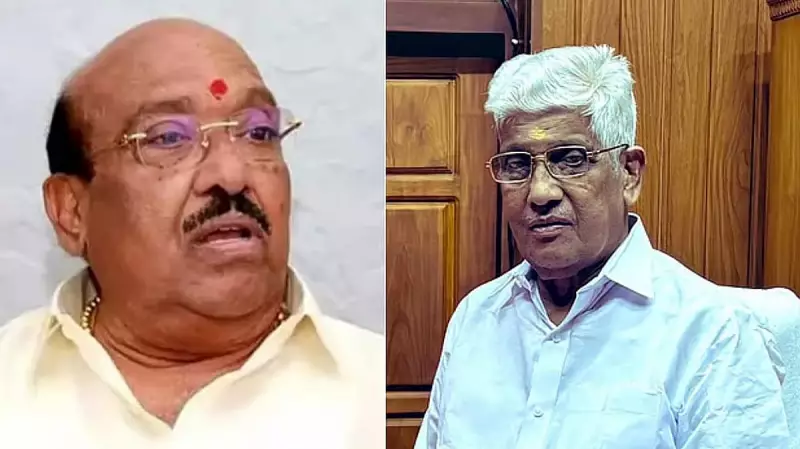
In a significant development in Kerala's political landscape, the much-discussed unity efforts between the Ezhava and Nair communities have hit a major roadblock. The Nair Service Society (NSS) has officially backed out from the proposed alliance with the Sree Narayana Dharma Paripalana (SNDP) Yogam, citing concerns over the latter's political intentions.
NSS Decision Follows Padma Bhushan Announcement
The NSS's decision to withdraw from the unity talks comes just one day after SNDP general secretary Vellappally Natesan was selected for the prestigious Padma Bhushan award. This timing has sparked considerable speculation about the underlying dynamics at play. The NSS leadership has expressed reservations about the SNDP's approach, suggesting that political motivations might be overshadowing the genuine social unity objectives.
Historical Context of Community Relations
The Ezhava and Nair communities have historically been two of the most influential social groups in Kerala, each with their own distinct cultural and political identities. Efforts to forge unity between these communities have been ongoing for decades, with varying degrees of success. The SNDP represents the Ezhava community, while the NSS serves as the primary organization for the Nairs.

Recent attempts to bridge the gap between these groups had generated optimism among political observers and social activists alike. However, the NSS's sudden withdrawal has cast doubt on the viability of such unity initiatives in the current political climate.
Political Implications and Reactions
The breakdown of these unity talks is expected to have far-reaching consequences for Kerala's political equations. Both the Ezhava and Nair communities wield significant electoral influence, and their alignment or divergence can dramatically affect election outcomes. Political parties across the spectrum are closely monitoring this development, as it could reshape alliance strategies and voting patterns in the state.
Sources within the NSS have indicated that the organization remains committed to social harmony but cannot support initiatives that appear to serve narrow political interests. The SNDP, on the other hand, has maintained that its efforts are genuinely aimed at fostering unity and addressing common social concerns.
Broader Impact on Kerala's Social Fabric
This development raises important questions about the future of inter-community relations in Kerala. While the state has made significant progress in social development indicators, such setbacks in unity efforts highlight the persistent challenges in overcoming historical divisions. The failure of these talks may prompt renewed discussions about alternative approaches to building social cohesion.
As Kerala continues to navigate its complex social and political landscape, the relationship between its major communities remains a critical factor in shaping the state's future trajectory. The NSS's decision underscores the delicate balance between social unity and political considerations in contemporary Indian society.