India Holds Diplomatic Talks with Iran Amid Escalating Regional Tensions
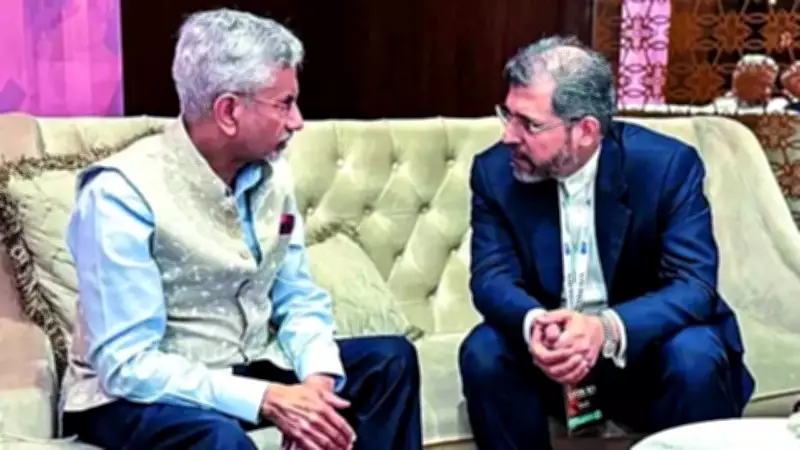
In a significant diplomatic move, India engaged with Iranian officials just one day after expressing condolences over the killing of Iran's Supreme Leader Ali Khamenei. External Affairs Minister S Jaishankar held a brief but crucial meeting with Iran's Deputy Foreign Minister Saeed Khatibzadeh on the sidelines of the prestigious Raisina Dialogue 2026 in New Delhi.
High-Level Meeting on the Sidelines of Global Forum
The meeting occurred as Khatibzadeh visited India specifically to address the Raisina Dialogue, an annual multilateral conference focused on geopolitics and geo-economics. Iranian authorities had formally approached India's Ministry of External Affairs requesting a meeting with Indian officials during this visit, highlighting the urgency of diplomatic coordination.
Jaishankar publicly acknowledged the engagement by posting a photograph of his meeting with the Iranian minister, signaling India's commitment to maintaining open channels of communication during this volatile period.

Iran's Strong Stance on International Law and Recent Attacks
During discussions, Khatibzadeh emphasized the critical importance of upholding international law without selective application. "What is important is that everybody is supporting international law and we hope that we are not cherry-picking international law," stated the Iranian diplomat.
He further elaborated that international law itself is under attack alongside Iran, noting that "the principles of international law have been attacked and we have to stand together against these atrocities." This statement directly references recent military actions against Iranian assets, including the controversial sinking of the Iranian warship IRIS Dena.
Condolences and Diplomatic Outreach Following Khamenei's Death
The meeting followed India's formal expression of condolences regarding the death of Supreme Leader Ali Khamenei. On Thursday, Foreign Secretary Vikram Misri had signed the book of condolence at the Iranian Embassy in New Delhi, while Jaishankar had separately spoken with his Iranian counterpart, Foreign Minister Seyed Araghchi.
According to Iranian authorities, Araghchi's conversations extended beyond India to include Sri Lankan Foreign Minister Vijitha Herath, particularly focusing on the sinking of the Iranian warship IRIS Dena by United States forces within Sri Lanka's Exclusive Economic Zone.
Iran's Accusations Against the United States and Israel
Tehran has characterized recent events as part of a coordinated military aggression. Iranian officials claim that during these diplomatic exchanges, Foreign Minister Araghchi described "the crimes committed by the United States and the Israeli regime" in recent days as unacceptable violations.
Iran specifically condemned what it called the US "criminal attack" on the naval vessel IRIS Dena, which was reportedly targeted approximately 2,000 miles from Iran's shores in international waters without any prior warning. Iranian authorities emphasized that this incident represents a serious breach of maritime law and international norms.
Legal Recourse and International Accountability
The Iranian government has asserted its intention to pursue legal action through appropriate international channels. Officials stressed the responsibility of all governments and the United Nations to firmly condemn these actions, indicating that Tehran plans to bring the matter before relevant international bodies for adjudication and accountability.
This diplomatic engagement occurs against a backdrop of heightened regional tensions, with multiple military incidents involving Iranian, American, and Israeli forces reported in recent days. India's careful diplomatic balancing act reflects its strategic interests in maintaining relationships with all parties involved while advocating for adherence to international legal frameworks.