The recent decision by the Assam government to make public the long-sealed reports of an inquiry into the 1983 Nellie massacre has reopened deep and painful wounds for survivors and the state at large. This move, part of a broader initiative to declassify old documents, has thrust one of post-independence India's most horrific episodes of communal violence back into the spotlight, raising urgent questions about justice, memory, and reconciliation.
The Horrific Events of February 1983
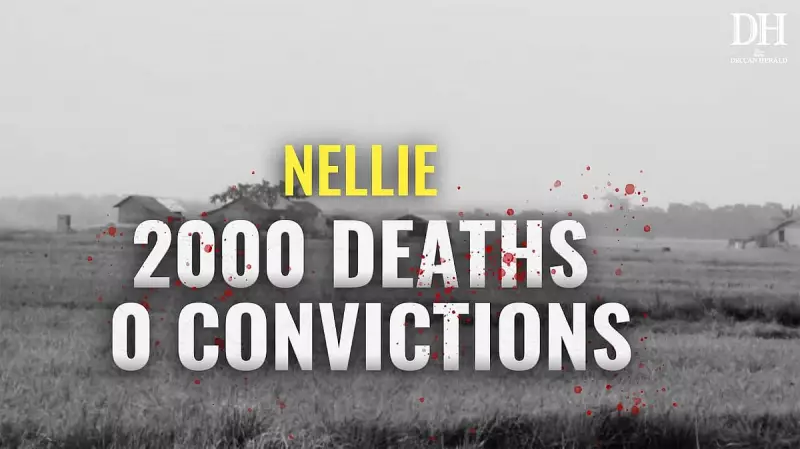
The tragedy unfolded on February 18, 1983, in the Nellie and surrounding areas of the erstwhile Nowgong district, now Nagaon. Over a span of just six hours, a violent mob unleashed brutal attacks, primarily targeting members of the Tiwa (Lalung) community and Bengali-speaking Muslims. The official Tiwari Commission Report recorded a death toll of 2,191 people, though other estimates by victims' groups and activists suggest the number could be significantly higher, possibly exceeding 3,000.
This massacre occurred against the highly charged backdrop of the Assam Agitation (1979-1985), a massive student-led movement demanding the identification and deportation of foreigners, primarily from Bangladesh. The state was preparing for elections that were boycotted by the agitation leaders. The violence in Nellie was a catastrophic eruption of the ethnic and communal tensions that the agitation had inflamed, with victims caught in a deadly political crossfire.

The Quest for Justice and Sealed Reports
In the aftermath, the state government constituted the Justice T.P. Tiwari Commission of Inquiry. The commission submitted its findings, but its report was never made public or acted upon. Shockingly, the government of the day, led by Chief Minister Hiteswar Saikia, chose to close the cases in December 1983, citing a lack of evidence. This decision effectively granted impunity to the perpetrators and denied closure to the victims' families.
The current push for transparency comes from the Bharatiya Janata Party (BJP)-led government under Chief Minister Himanta Biswa Sarma. While the government frames it as a step towards unveiling historical truth, the move has been met with complex emotions. For many survivors and families of the victims, it has reawakened decades of trauma and unresolved grief. Organizations like the Nellie Massacre Survivors' Association have long demanded justice, viewing the publication of the reports as a potential first step, though they remain skeptical about concrete legal or reparative action following it.
Unresolved Legacy and Contemporary Echoes
The ghost of Nellie continues to haunt Assam's socio-political landscape. The massacre is a stark reminder of the human cost of identity-based politics and communal rhetoric. Revisiting this dark chapter forces a confrontation with an uncomfortable history that many would prefer to forget, but which survivors cannot.
The release of the reports is not merely an academic exercise. It has ignited a fresh debate about accountability for historical wrongs. Human rights activists and community leaders argue that true healing requires more than just making documents public; it necessitates an official acknowledgment of the state's failure to protect its citizens, a memorial for the victims, and perhaps even a reconsideration of the legal closure granted so hastily four decades ago.
As Assam moves forward, the specter of Nellie serves as a powerful cautionary tale. The reopening of these enquiry reports underscores that the wounds of mass violence, if left unaddressed by justice, never truly heal. They simply lie dormant, waiting for moments like these to resurface with all their original pain, demanding a resolution that has been deferred for 41 long years.