Nagpur's Kawrapeth Flyover: A Rs 141 Crore Infrastructure Failure
Nearly 19 months after its structural completion, the T-shaped Kawrapeth flyover in Nagpur stands as a stark example of poor urban planning, transforming from a promised traffic solution into a significant civic liability. Built by the Public Works Department (PWD), this infrastructure project continues to trouble motorists with its narrow width and fundamentally flawed design.
From Congestion Relief to Public Hazard
Structurally finished in September 2024, the 1.09-kilometer rail overbridge (ROB) was specifically designed to alleviate congestion at the notoriously busy Kawrapeth railway crossing. With an approved budget of Rs 180 crore and an actual construction cost of Rs 141.62 crore, expectations were high for this critical infrastructure piece. Instead, residents report that poor planning and incomplete connectivity have rendered substantial portions of the flyover practically unusable, while other sections have become hotspots for anti-social activities.
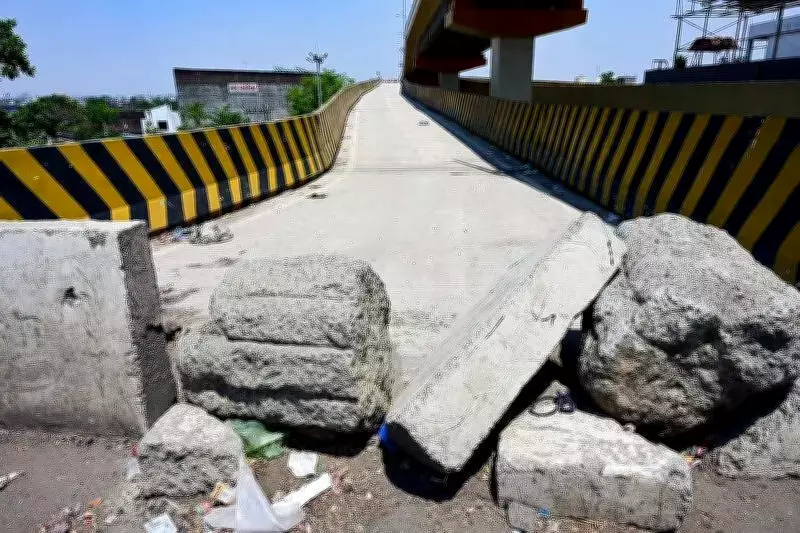
"Barricades made of stones are now damaged, and the area has turned into a hub for liquor consumption and gatherings of anti-social elements," explained resident Vicky Kamble, highlighting the deteriorating situation around the non-operational arms of the structure.

Design Flaws and Safety Concerns
The operational arm connecting to the Shanti Nagar flyover, which handles heavy traffic volumes, presents particularly alarming safety issues. Despite repeated complaints from local residents, no corrective measures have been implemented to address the dangerous conditions.
"Months have passed since the issue was flagged, the flyover is still accident-prone and puts lives at risk," stated concerned citizen Ayush Kalbande, emphasizing the ongoing danger to commuters.
Experts and daily motorists have identified multiple serious design deficiencies including:
- Inadequate width for smooth traffic flow
- Complete absence of U-turn provisions
- Confusing traffic movement patterns at merging points
- Insufficient signage throughout the structure
Structural Configuration and Operational Problems
The flyover originates from Kalamna Road, crosses two important railway lines, and splits into three distinct arms. The original design intended for two arms to connect seamlessly to the existing Itabhatti–Kalamna (old Kawrapeth) flyover, but these remain completely sealed off due to pending design modifications requested by the traffic department.
The third arm, which links to the Shanti Nagar flyover, has ironically become a congestion bottleneck itself due to poorly planned merging designs. This partial connectivity has created more confusion than relief for Nagpur's commuters.
An extension connecting the Kalamna–Rajiv Nagar stretch to the Shanti Nagar flyover was opened in April of last year without any formal inauguration ceremony, responding to pressure from frustrated residents and political representatives. However, this piecemeal approach has only compounded existing problems rather than providing genuine solutions.
Official Recognition of Deficiencies
Following the flyover's completion—which was already delayed by approximately one year from original projections—a comprehensive joint inspection was conducted by traffic police officials including then DCP (Traffic) Archit Chandak. This inspection identified multiple critical safety and design issues, resulting in delayed permission for full-scale operations.
A subsequent independent safety audit reportedly confirmed these deficiencies, validating the concerns raised by both experts and the public. Despite this official recognition of problems, key sections of the flyover remain inaccessible with no clear timeline established for necessary rectification work.
Growing Public Demand for Intervention
With the flyover continuing to fall dramatically short of its intended purpose, residents and daily commuters are increasingly vocal in their demands for urgent governmental intervention. The primary concerns focus on two critical areas:

- Immediate correction of identified safety risks to prevent accidents
- Prevention of further misuse of idle infrastructure before conditions deteriorate further
The Kawrapeth flyover situation represents more than just a transportation failure—it symbolizes how substantial public investment can be undermined by inadequate planning and delayed corrective action. As Nagpur continues to grow and develop, this infrastructure debacle serves as a cautionary tale about the importance of thorough design, proper execution, and responsive governance in urban development projects.