Mumbai Mayor's Flashing Lights Controversy Reopens National Debate on VIP Culture
For nearly a decade, India believed it had successfully dismantled one of the most conspicuous symbols of political privilege—the red beacon light. The landmark decision in 2017 to ban "lal batti" vehicles was heralded as a profound cultural shift, transcending mere traffic reform. It aimed to convey a straightforward message: no public office-holder should be elevated above ordinary citizens on the road. However, in March 2026, a single viral image on social media reignited this debate with unexpected intensity, exposing persistent gaps between official rules and everyday practices.
The Spark: A Viral Image Triggers Outrage
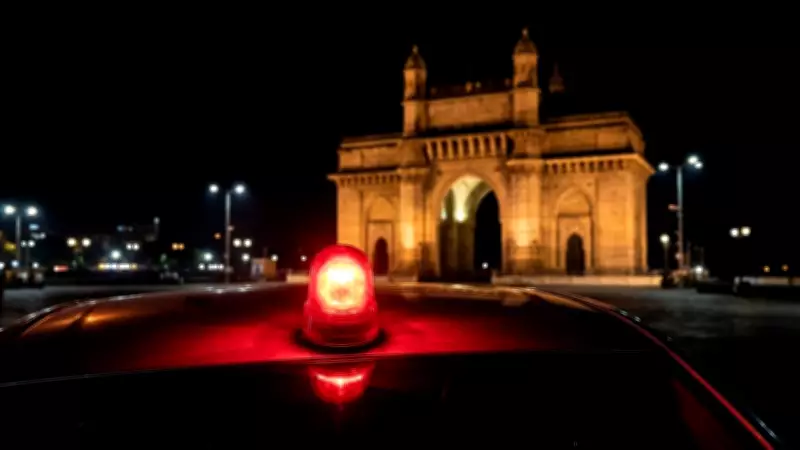
On March 11, a user on X uploaded a photograph depicting the official vehicle of Mumbai Mayor Ritu Tawde, equipped with red-and-blue flashing lights typically reserved for police or emergency services. The caption simply inquired whether the mayor had authorization for such lights, but this query struck a deep nerve. Within hours, the image spread rapidly, prompting criticism from activists and citizens alike. Many questioned the legality of using police-style lights, especially given the 2017 ban on red beacons intended to eradicate VIP culture.
The controversy escalated when RTI activist Anil Galgali formally wrote to the mayor, arguing that the lights appeared unauthorized and violated Union government directives. This moved the issue beyond social media, transforming it into a formal administrative concern. Officials from the Brihanmumbai Municipal Corporation later confirmed that flashing lights had been installed not only on the mayor's car but also on vehicles used by other civic office-bearers, such as the deputy mayor and leader of the house.

Political and Administrative Fallout
Mayor Ritu Tawde responded by attributing the incident to an administrative lapse, stating she had not requested the lights and that the vehicle was provided by the civic administration. She emphasized that compliance with rules was the administration's responsibility. Despite this, opposition leaders, including former Mumbai mayor Kishori Pednekar, seized the opportunity to accuse the ruling party of reviving VIP culture, arguing it reflected a mindset of entitlement rather than a mere mistake.
The debate gained further traction when Maharashtra Chief Minister Devendra Fadnavis intervened, defending the mayor by noting the lights were not traditional roof-mounted beacons and suggesting she was being unfairly targeted. This shifted the discussion from legal technicalities to intent, with supporters claiming political exaggeration and critics insisting on strict adherence to regulations.
Historical Context: The 2017 Beacon Ban and Its Legacy
The red beacon had long symbolized power and inequality in India, allowing officials to bypass traffic while ordinary citizens waited. Public resentment grew as its use expanded beyond high-ranking positions to include various political and administrative posts. In 2017, the Union government, under Prime Minister Narendra Modi, implemented a complete ban on red beacons for public officials, restricting them to emergency services like police vehicles and ambulances. This move was widely praised as a step toward equality and ending hierarchical traditions.
However, the Mumbai episode is not an isolated incident. Similar controversies have surfaced post-ban, such as a 2017 notice regarding then Mumbai Mayor Vishwanath Mahadeshwar's vehicle and a 2025 complaint against Punjab Mayor Vaneet Dhir for using unauthorized lights and sirens. These cases underscore the difficulty of eradicating deeply ingrained practices.
The Pooja Khedkar Case: A National Precedent
The controversy surrounding Mumbai's mayor echoes the earlier national uproar over Pooja Khedkar, a probationary officer whose private vehicle was allegedly fitted with red-and-blue beacons and government insignia. This incident provoked widespread anger, as it symbolized entitlement among new officials, raising doubts about the effectiveness of the 2017 reforms. Khedkar's subsequent transfer highlighted ongoing challenges in curbing VIP culture, with activists citing it as evidence that legal bans alone are insufficient.

Broader Implications: Lapse or Systemic Failure?
The administrative angle of the Mumbai controversy raises critical questions about responsibility and protocol. If, as Mayor Tawde claimed, the vehicle was provided by the administration without her demand, it points to potential systemic failures in ensuring compliance with rules. Critics argue that even minor lapses can undermine the credibility of anti-privilege reforms, while supporters caution against politicizing administrative errors.
Nearly nine years after the beacon ban, occasional flare-ups like this remind the public that combating VIP culture requires more than legal measures—it demands consistent political behavior and shifts in public perception. Although the lights were removed from the mayor's car by March 14, the debate it ignited continues to resonate, highlighting the enduring struggle against symbols of privilege in Indian society.