Tamil Nadu Chief Minister MK Stalin Issues Stern Warning Over Delimitation Plans
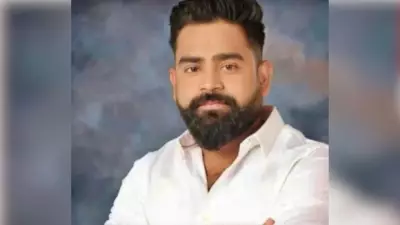
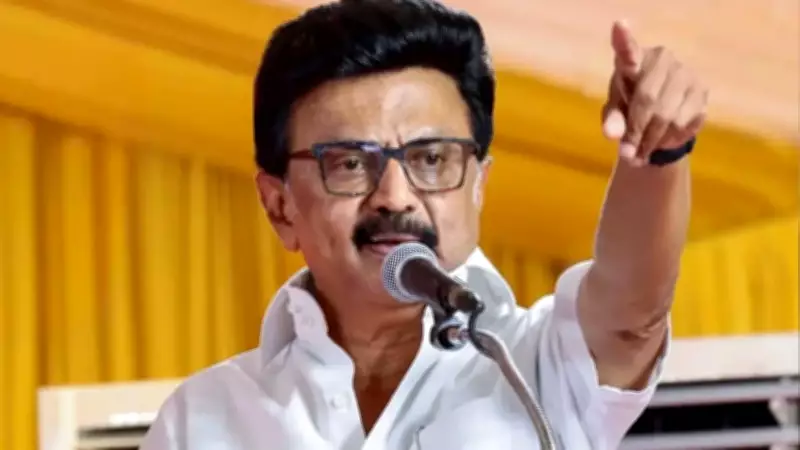
Tamil Nadu Chief Minister and DMK president MK Stalin has dramatically escalated his political confrontation with the Bharatiya Janata Party, issuing a stark warning of statewide protests should the Central government proceed with proposed delimitation exercises. In a strongly worded video message delivered on social media platform X, Stalin invoked the DMK's historic anti-Hindi agitations of the 1950s and 1960s, signaling a return to mass mobilization tactics.
"Tamil Nadu Will Come to a Standstill"
Stalin declared that the entire state would "come to a standstill" if the Union government introduces legislation during the upcoming special Parliament session scheduled for April 16-18. This proposed bill aims to increase Lok Sabha strength from the current 543 seats to 850 seats, a move that has sparked significant controversy across southern states.
"Do not assume that you can quietly carry out delimitation in Delhi since this is an election period and our attention is elsewhere. Don't even entertain that thought," Stalin asserted in his direct message to the ruling party at the Centre.

Unprecedented Protests Threatened
The DMK leader promised protests of unprecedented scale, warning that "You will witness a Tamil Nadu that you have not seen before. India will once again witness the DMK of the 1950s and 1960s." This historical reference points to the party's foundational role in leading massive agitations against the imposition of Hindi as the sole official language, a movement that shaped Tamil Nadu's political identity.
Stalin emphasized that any perceived attempt to harm Tamil Nadu's interests or disproportionately enhance the political power of northern states would trigger sweeping backlash. "If anything is done that harms Tamil Nadu, or that disproportionately enhances the political power of northern states, we in Tamil Nadu will not remain silent," he stated unequivocally.
The Chief Minister outlined the potential scale of resistance, declaring that "Every family will take to the streets" and promising to organize massive agitations under his leadership.
Questioning the Special Session's Urgency
Stalin raised serious questions about the timing and purpose of the special Parliament session, alleging an attempt to "bulldoze" a constitutional amendment through questionable means. He pointed out that the session is being convened during crucial election periods in Tamil Nadu and West Bengal, creating what he described as a suspicious lack of transparency.
"No explanation has been provided so far regarding the proposed Constitutional amendment," Stalin noted, adding that "When such secrecy surrounds this process, it only strengthens the suspicion that a grave danger lies beneath. The people of the southern states are gripped with deep concern."
Despite the intense demands of election campaigning, Stalin confirmed that DMK Members of Parliament would attend the special session, acknowledging that "this duty important cannot be set aside" even amidst relentless political activities.
Southern Unity Against Delimitation
The delimitation controversy has sparked calls for regional solidarity, with Telangana Chief Minister Revanth Reddy reaching out to Stalin to advocate for southern unity against the proposed exercise. In a letter to his Tamil Nadu counterpart, Reddy called for collective action to protect southern states' political rights and representation in Delhi.
"We have to unite against this onslaught on political rights and protect our voice in Delhi. Together let us march," Reddy wrote, recalling last year's Chennai conclave that brought together southern political leaders to discuss shared concerns about representation and federal balance.
The growing resistance to delimitation plans reflects deepening anxieties among southern states about potential shifts in political power dynamics that could diminish their influence in national decision-making processes.