

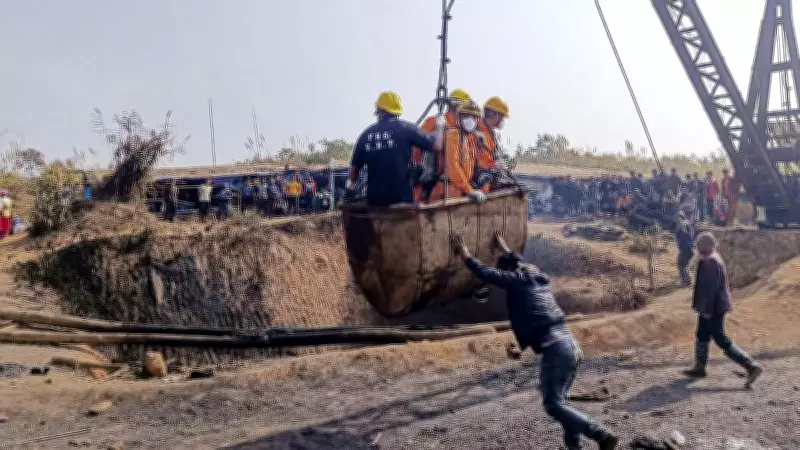
Meghalaya Coal Mine Blast Death Toll Climbs to 28, Judicial Inquiry Ordered
The death toll from a catastrophic coal mine explosion in Meghalaya has risen to 28, marking one of the deadliest mining accidents in the state's recent history. Authorities have ordered a judicial inquiry to investigate the causes and responsibilities behind the tragic incident, which has sent shockwaves through the local community and raised urgent questions about mining safety protocols.
Details of the Tragic Incident
The blast occurred at a coal mine located in the East Jaintia Hills district of Meghalaya, a region known for its extensive mining activities. Initial reports indicated a sudden explosion that trapped numerous miners underground, leading to a frantic rescue operation by local authorities and disaster response teams. As rescue efforts progressed over several days, the number of confirmed fatalities steadily increased, culminating in the current toll of 28 lives lost.
Rescue operations faced significant challenges due to the remote location of the mine and the hazardous conditions following the explosion. Teams worked tirelessly to recover bodies and search for any possible survivors, but the severity of the blast left little hope. The incident has highlighted the perilous nature of mining in the area, where safety measures are often under scrutiny.

Government Response and Judicial Inquiry
In response to the disaster, the Meghalaya government has announced a judicial inquiry to thoroughly examine the circumstances leading to the explosion. The inquiry will be led by a retired judge and is expected to assess factors such as compliance with safety regulations, potential negligence, and the overall management of the mining site. This move aims to provide transparency and accountability, ensuring that similar tragedies can be prevented in the future.
State officials have expressed deep condolences to the families of the victims and pledged full support for the investigation. The judicial inquiry is set to begin immediately, with findings to be made public to address public concerns and implement necessary reforms in the mining sector.
Impact on the Local Community and Mining Industry
The coal mine blast has had a profound impact on the local community, with many families grieving the loss of loved ones who worked in the mines. Mining is a key economic activity in Meghalaya, providing livelihoods for thousands, but this incident underscores the inherent risks involved. Questions are being raised about the enforcement of safety standards and the need for stricter oversight to protect workers.
Industry experts point out that while Meghalaya has rich coal reserves, mining operations often occur in informal or poorly regulated settings, increasing the likelihood of accidents. This tragedy may prompt calls for enhanced safety measures, better training for miners, and more rigorous inspections by authorities.
Looking Ahead: Safety and Prevention Measures
As the judicial inquiry proceeds, there is a growing emphasis on improving mining safety across Meghalaya. Recommendations from the inquiry could lead to policy changes, including:
- Strengthening safety regulations for all mining operations.
- Implementing regular inspections and audits of mining sites.
- Providing better emergency response training for workers and officials.
- Enhancing community awareness about mining risks and safety protocols.
The Meghalaya coal mine blast serves as a stark reminder of the dangers associated with mining and the critical need for robust safety frameworks. With the death toll at 28 and a judicial inquiry underway, the focus now shifts to ensuring justice for the victims and preventing such disasters in the future.






