Meghalaya Government Postpones Garo Hills Council Elections Following Deadly Tribal Clashes
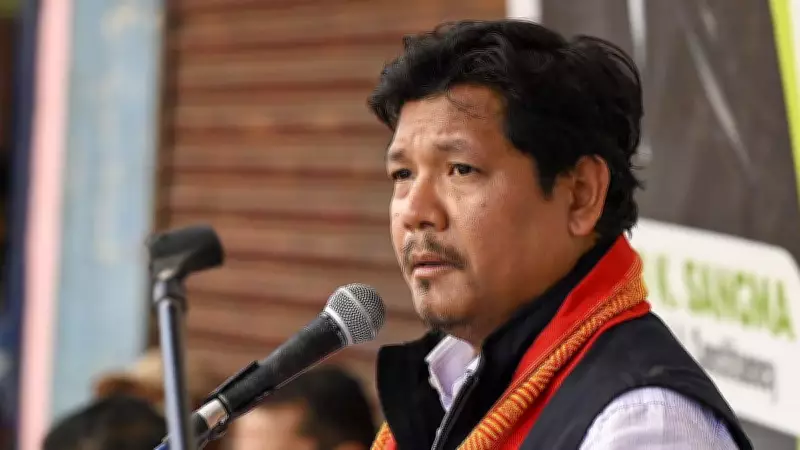
In a significant move to address escalating violence, the Meghalaya government, led by Chief Minister Conrad K Sangma, has officially postponed the elections for the Garo Hills Autonomous District Council. This decision comes in direct response to a series of violent tribal clashes that have erupted in the West Garo Hills district, resulting in tragic loss of life and extensive property damage.
Deadly Confrontation Triggers Immediate Action
The postponement was announced just one day after a violent clash between tribal and non-tribal communities in the areas of Chibinang and Tura within West Garo Hills district. This confrontation turned deadly, claiming the lives of two individuals and leaving a trail of destruction through acts of arson. The incident has heightened tensions in the region, prompting authorities to prioritize public safety over electoral processes.
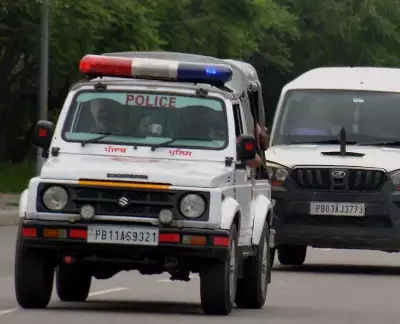
Chief Minister Conrad K Sangma emphasized that the decision to delay the polls was necessary to prevent further violence and ensure a secure environment for all residents. The government is currently focused on restoring peace and order in the affected areas, with law enforcement agencies deployed to manage the situation and investigate the root causes of the conflict.
Impact on Democratic Processes and Regional Stability
The postponement of the Garo Hills Autonomous District Council elections underscores the severe impact of the tribal clashes on Meghalaya's democratic framework. The council plays a crucial role in local governance, particularly in matters related to tribal autonomy and development in the Garo Hills region. Delaying the elections disrupts the political timeline but is seen as a critical step to avoid exacerbating communal tensions during a volatile period.
Authorities have reported that the violence involved not only physical altercations but also targeted arson attacks, which have damaged homes and infrastructure. This has created an atmosphere of fear and instability, making it impractical to proceed with electoral activities that could potentially inflame the situation further.
Government's Response and Future Steps
The Meghalaya government has initiated several measures in response to the crisis:
- Enhanced security deployments in Chibinang, Tura, and surrounding areas to prevent additional outbreaks of violence.
- Investigations into the clashes to identify perpetrators and address underlying grievances between tribal and non-tribal groups.
- Engagement with community leaders and stakeholders to foster dialogue and reconciliation efforts.
- Assessment of a new timeline for the Garo Hills Council elections once stability is restored.
This incident highlights ongoing challenges in managing inter-community relations in Meghalaya, a state known for its diverse tribal demographics. The postponement serves as a reminder of the delicate balance between democratic exercises and maintaining public order in regions prone to ethnic tensions.
As the situation develops, residents and political observers await further updates from the government regarding both the resolution of the clashes and the rescheduling of the council polls. The priority remains on ensuring the safety and well-being of all communities involved while upholding the principles of peaceful governance.