Mamata Banerjee Denounces PM Modi's Women's Quota Bill Statements as Misleading
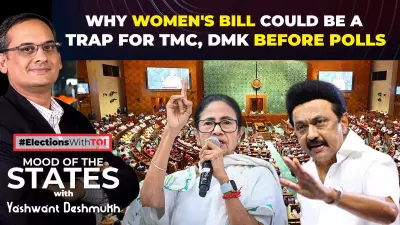
West Bengal Chief Minister Mamata Banerjee has launched a sharp critique against Prime Minister Narendra Modi, labeling his recent comments on the Women's Reservation Bill as "deeply unfortunate" and accusing him of attempting to mislead the nation. This rebuke comes amid ongoing political tensions and debates surrounding the implementation of the bill, which aims to reserve seats for women in legislative bodies.
Political Clash Over Women's Representation
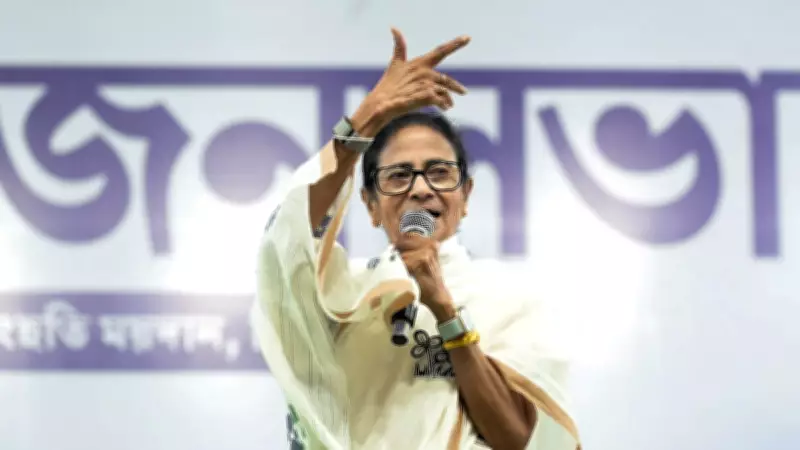
In a strongly worded statement, Banerjee expressed her dismay over the Prime Minister's remarks, suggesting that they distort the facts and undermine the bill's intent. She emphasized that the Women's Reservation Bill is a critical step toward gender equality in Indian politics and should not be politicized for electoral gains. "It is disheartening to see such important issues being used to create confusion among the public," she stated, urging for a more transparent and honest discussion on the matter.
Background of the Women's Reservation Bill
The Women's Reservation Bill, which proposes to reserve one-third of seats in the Lok Sabha and state legislative assemblies for women, has been a long-pending legislative measure. Key points include:

- It was first introduced in Parliament in 1996 but has faced numerous hurdles and delays.
- Supporters argue it will enhance women's participation in governance and address gender disparities.
- Opponents have raised concerns about implementation challenges and potential political manipulation.
Banerjee's criticism highlights the broader political divide, with many opposition leaders echoing her sentiments that the bill's progress has been stalled by partisan interests.
Implications for West Bengal and National Politics
This incident adds to the ongoing friction between the Trinamool Congress, led by Banerjee, and the Bharatiya Janata Party at the national level. In West Bengal, where Banerjee's government has prioritized women's welfare schemes, her stance reinforces her image as a champion of gender rights. However, it also risks escalating political confrontations, potentially affecting collaborative efforts on other national issues.
Analysts note that such exchanges could influence public opinion ahead of upcoming elections, with both sides leveraging the Women's Reservation Bill to rally support. "The debate over this bill is not just about policy but about political credibility and trust," remarked a political observer, underscoring the high stakes involved.
Looking Ahead: Calls for Constructive Dialogue
Banerjee concluded her remarks by calling for a more sincere approach from the central government, urging PM Modi to focus on enacting the bill rather than making contentious statements. She advocated for bipartisan cooperation to ensure the bill's passage, emphasizing that women's empowerment should transcend political rivalries. As the controversy unfolds, it remains to be seen how this will impact legislative progress and the broader political landscape in India.