Mamata Banerjee Reiterates Demand to Rename West Bengal as 'Bangla'
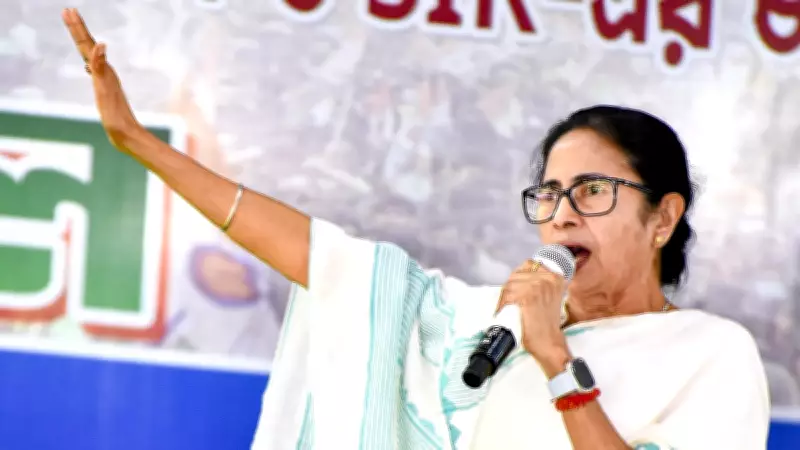
West Bengal Chief Minister Mamata Banerjee has once again raised the long-standing demand to rename her state as 'Bangla'. This renewed push comes in the wake of Kerala's recent official name change, which has brought the issue of state nomenclature back into the political spotlight.
Drawing Parallels with Kerala's Precedent
In her statement, Mamata Banerjee pointed to the example of Kerala, where the state government's proposal for a name change was successfully endorsed and implemented. She emphasized that this process has been followed for several other Indian states in the past, where renaming proposals initiated by respective state governments have received central approval.
"The names of several states have been changed once such proposals are endorsed by the respective state governments," Banerjee stated, "but that has not been the case with West Bengal."

The Lingering 'Bangla' Proposal
The demand to rename West Bengal as 'Bangla' is not new. The Trinamool Congress government has been advocating for this change for years, arguing that:
- The name 'Bangla' better reflects the cultural and linguistic identity of the region
- It would distinguish the state from the neighboring country of Bangladesh
- It follows the pattern of other Indian states that have adopted names rooted in local language and heritage
However, despite the West Bengal government formally endorsing the proposal, it has remained pending at the central level, creating what Banerjee characterizes as an unequal treatment compared to other states.
Political Implications and National Context
This renewed demand comes at a time when state identity and federal relations are prominent topics in Indian politics. The issue touches on several sensitive areas:
- Federal Structure: The balance between state initiatives and central approval in matters of symbolic importance
- Cultural Identity: How states choose to represent their heritage through official nomenclature
- Political Dynamics: The ongoing tensions between the Trinamool Congress government in West Bengal and the BJP-led central government
Banerjee's statement implicitly questions why West Bengal's proposal has not progressed while Kerala's similar initiative moved forward, suggesting potential political considerations in the approval process.
Historical Context of State Renaming in India
India has a history of state name changes that reflect evolving regional identities:
- Orissa became Odisha in 2011
- Uttaranchal was renamed Uttarakhand in 2007
- Madras State became Tamil Nadu in 1969
- Mysore State was renamed Karnataka in 1973
Each of these changes followed a similar pattern: state government proposal, legislative approval, and eventual central government endorsement. Banerjee's argument rests on the premise that West Bengal's 'Bangla' proposal should follow this established precedent.
The Chief Minister's renewed demand ensures that the issue of West Bengal's identity and nomenclature will remain part of political discourse, particularly as comparisons with Kerala's successful name change continue to highlight what she perceives as unequal treatment in the federal system.