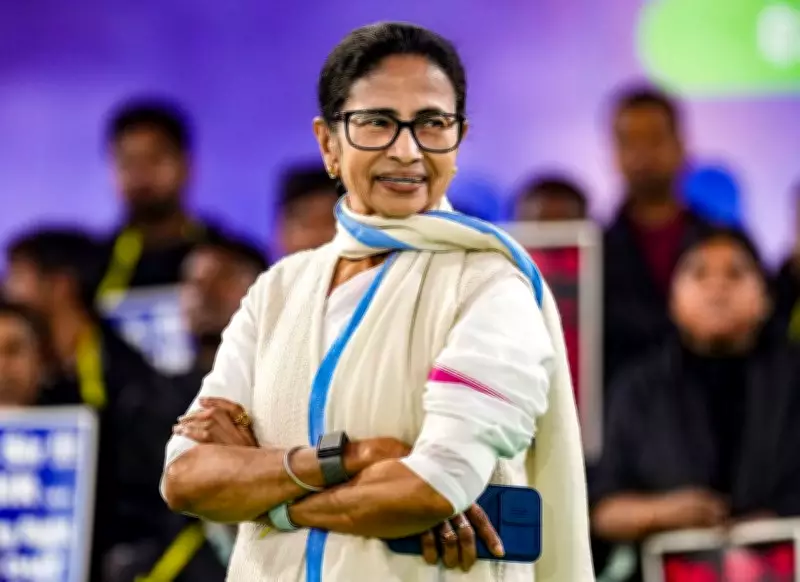
Mamata Banerjee Slams Centre Over Delayed Response to West Bengal's Renaming Proposal
West Bengal Chief Minister Mamata Banerjee has launched a sharp critique against the central government, accusing it of deliberately ignoring the state's longstanding request to officially rename West Bengal as 'Bangla'. In a recent statement, Banerjee highlighted the prolonged delays and apparent lack of action from New Delhi, framing it as a disregard for the state's cultural and administrative aspirations.
Background of the Renaming Initiative
The proposal to change the state's name from West Bengal to Bangla has been under consideration for several years, with the state assembly passing a resolution in favor of the change back in 2018. The move aims to reflect the region's linguistic identity and simplify administrative processes, as 'Bangla' is the Bengali term for the state. However, the central government's approval is required for such a constitutional amendment, and Banerjee claims this step has been stalled without clear justification.
Allegations of Political Neglect
Banerjee, who leads the Trinamool Congress party, asserted that the central government's inaction is politically motivated, suggesting it undermines the state's autonomy and democratic processes. She pointed out that similar requests from other states have been processed more swiftly, raising questions about fairness and federal cooperation. The Chief Minister emphasized that the delay not only hampers administrative efficiency but also disrespects the sentiments of the people of West Bengal, who have expressed support for the change through legislative channels.
Implications for State-Centre Relations
This controversy adds to ongoing tensions between the West Bengal government and the central administration, often marked by disputes over policy implementation and resource allocation. Banerjee's accusations highlight broader issues of federalism in India, where states frequently seek greater recognition and autonomy in decision-making. The renaming case serves as a focal point for these dynamics, with potential repercussions for political discourse and intergovernmental relations in the region.
Future Prospects and Public Reaction
As the issue gains media attention, public opinion in West Bengal appears divided, with some viewing the rename as a symbolic step toward cultural pride, while others question its priority amid pressing economic and social challenges. Banerjee has vowed to continue pushing for the change, urging the central government to address the matter promptly. Observers note that the outcome could influence upcoming political narratives and electoral strategies in the state, making it a significant point of contention in Indian politics.