Mamata Banerjee Launches Scathing Attack on Election Commission Over Alleged BJP Favoritism
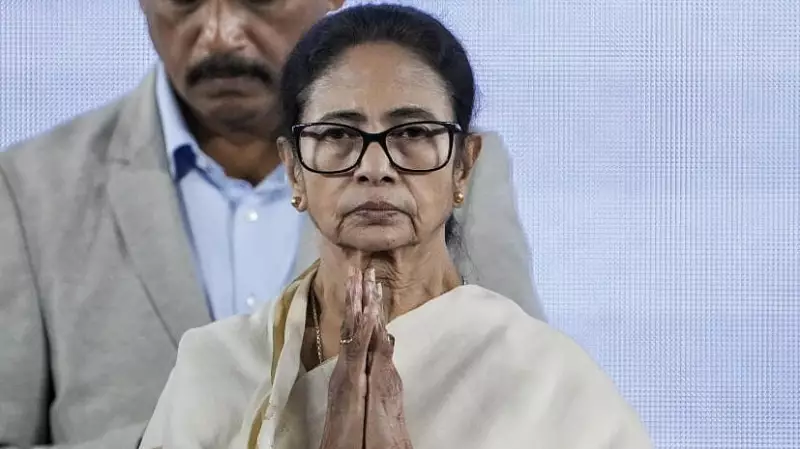
In a dramatic escalation of political tensions, West Bengal Chief Minister Mamata Banerjee has launched a fierce accusation against the Election Commission of India (EC). She claims the constitutional body is actively destroying the very foundation of India's democracy by allegedly operating on behalf of the Bharatiya Janata Party (BJP). This explosive charge comes amidst the heated political climate in West Bengal and has ignited a nationwide debate about the impartiality of election oversight.
The Core of the Allegation: Undermining Democratic Principles
Banerjee's statement represents a direct challenge to the institutional integrity of the Election Commission. She argues that the EC's actions and decisions are not neutral but are instead deliberately skewed to benefit the ruling BJP at the central level. This, she contends, erodes public trust in the electoral process, which is a cornerstone of any functioning democracy. The timing of these remarks is particularly significant, as they reflect the ongoing and intense political rivalry between her Trinamool Congress (TMC) and the BJP in West Bengal.
Political Context and Implications for West Bengal
The accusation did not emerge in a vacuum. West Bengal has been a major battleground state where the BJP has made significant inroads in recent years, challenging the long-standing dominance of the TMC. Banerjee's allegations suggest a perception that the central institutions, including the EC, are being leveraged against her party. This rhetoric is likely aimed at mobilizing her support base by framing the contest as not just political, but as a fight to protect democratic norms from external manipulation.

The implications are far-reaching:
- Institutional Credibility: Such a high-profile accusation from a sitting Chief Minister questions the perceived neutrality of the Election Commission, potentially impacting its authority in future polls.
- Political Polarization: The charge deepens the existing political divide, framing electoral oversight as a partisan issue rather than a neutral administrative function.
- Electoral Atmosphere: It contributes to a charged environment in West Bengal, where every decision by the EC may now be viewed through a lens of political bias.
Broader National Debate on Democratic Institutions
This incident transcends regional politics and taps into a larger national conversation about the health of India's democratic institutions. Critics and opposition parties have occasionally voiced concerns about the autonomy of various constitutional bodies. Banerjee's very public and severe indictment places this issue squarely in the spotlight, forcing a re-examination of how these institutions operate under political pressure. It raises critical questions about the balance of power and the mechanisms in place to ensure free and fair elections across the country.
While the Election Commission has not issued an immediate public response to these specific allegations, the body traditionally maintains that its actions are strictly guided by the Constitution and electoral laws. However, the damage to public perception, as highlighted by Banerjee's statement, could have lasting effects. The coming days will likely see reactions from other political parties, legal experts, and civil society, shaping the narrative around this significant controversy.