Maharashtra Zilla Parishad Election Results 2026: Counting Underway After Strong Voter Participation
The highly anticipated Maharashtra Zilla Parishad and Panchayat Samiti elections have concluded with a robust voter turnout of 68.28 percent, according to official data released by the State Election Commission. The counting process for these crucial local body elections commenced on February 9, 2026, marking a significant moment in the state's political landscape following recent tragic events.
Election Details and Voter Turnout Statistics
Polling was conducted across twelve key districts of Maharashtra to elect 731 members from a competitive field of 2,624 candidates. The elections covered 12 Zilla Parishads and 125 Panchayat Samitis, with voters exercising their democratic rights on Saturday. The districts included Raigad, Ratnagiri, Sindhudurg, Pune, Satara, Sangli, Solapur, Kolhapur, Chhatrapati Sambhajinagar, Parbhani, Dharashiv, and Latur.
Parbhani district emerged as the leader in voter participation, recording an impressive turnout of 74.89 percent. This was closely followed by Kolhapur district, which registered 74.45 percent voter engagement. Chhatrapati Sambhajinagar also demonstrated strong democratic participation with a turnout of 72.69 percent.

In contrast, Ratnagiri district reported the lowest voter participation at 55.79 percent, creating a noticeable gap between the highest and lowest performing regions. The overall turnout of 68.28 percent reflects substantial public interest in these grassroots-level elections that directly impact local governance and development.
Postponement Following Tragic Incident
The elections were originally scheduled for February 5 but were postponed following the tragic death of Deputy Chief Minister Ajit Pawar in a plane crash. The Maharashtra government declared three days of state mourning in response to the incident, necessitating the rescheduling of the electoral process to February 8 for polling, with counting set for February 9.
This postponement added significant political weight to the elections, which are now being viewed as the first major electoral test since Pawar's untimely demise. The timing has created a unique political environment where voters' choices are being closely analyzed for indications of shifting political allegiances and sentiments.
Political Significance and Party Dynamics
The elections hold particular importance for the Nationalist Congress Party (NCP), whose rival factions contested these elections as allies in their traditional strongholds of western Maharashtra. Political observers are closely monitoring the results for clues about the party's future direction and internal unity following the loss of one of its most prominent leaders.
In the previous elections held in 2017, the NCP emerged as the single largest party across these twelve districts, securing 225 seats. The party demonstrated particular strength in Pune, Satara, Osmanabad (now Dharashiv), and Parbhani districts during the last electoral cycle.
The Bharatiya Janata Party (BJP) finished second in 2017 with 141 seats, showing strongest performances in Latur, followed by Sangli and Aurangabad (now Chhatrapati Sambhajinagar). The Congress party secured 123 seats, while Shiv Sena won 119 seats in the previous elections.
Independent candidates and smaller local political groups together accounted for 80 seats in 2017, highlighting the fragmented nature of grassroots politics in Maharashtra and the continued influence of regional players in local governance structures.
Counting Process and Electoral Oversight
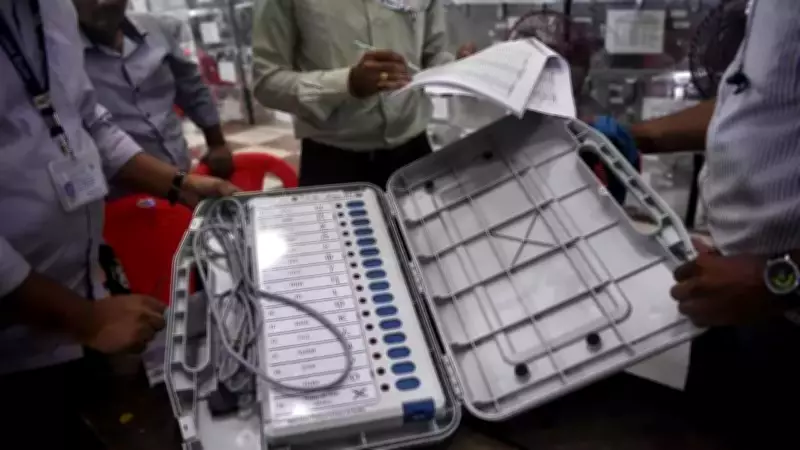
The counting process for 731 Zilla Parishad seats and 1,462 Panchayat Samiti seats began on February 9, with election officials working diligently to ensure accurate and transparent results. A total of 7,438 candidates contested across these positions, making this one of the most comprehensive local body elections in recent Maharashtra history.
During the election process, an incident involving two electronic voting machines discovered inside a car near a roadside eatery in Mohol town of Solapur district around midnight on Saturday prompted political reactions and allegations of possible polling irregularities. The vehicle was reportedly engaged for election duty, raising questions about electoral security protocols.

The State Election Commission has maintained strict oversight throughout the electoral process, from polling to counting, to ensure the integrity of these crucial local elections that will shape grassroots governance in Maharashtra for the coming years.