Maharashtra Implements Permit System for Commercial Electric Vehicles
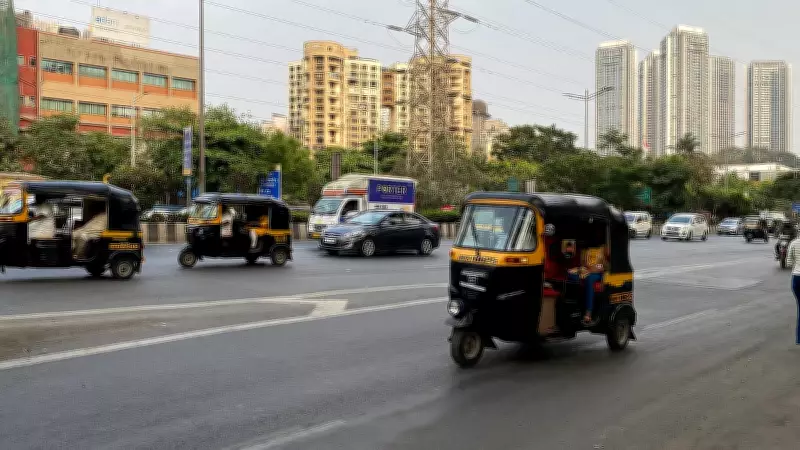
The Maharashtra government has announced a significant regulatory measure, making permits mandatory for all commercial e-bikes and e-autos operating within the state. This move is part of a broader effort to formalize and oversee the rapidly expanding electric vehicle (EV) sector, particularly in urban and semi-urban areas where these vehicles are increasingly used for last-mile connectivity and delivery services.
New Regulations for E-Vehicle Operations
Under the new policy, operators of commercial e-bikes and e-autos must obtain official permits from the state transport department. This requirement applies to vehicles used for purposes such as goods delivery, passenger transport, and other commercial activities. The permits will involve compliance with specific safety standards, vehicle registration, and adherence to operational guidelines set by the authorities.
The decision aims to address concerns over unregulated growth, including issues related to traffic management, environmental impact, and public safety. By introducing a permit system, the government seeks to create a structured framework that ensures accountability and promotes sustainable development in the EV ecosystem.
Impact on Stakeholders and Implementation
This regulatory change is expected to affect a wide range of stakeholders, including e-rickshaw drivers, delivery service providers, and small business owners who rely on electric vehicles for their operations. The government has indicated that the permit process will be streamlined to minimize disruption, with details on application procedures, fees, and timelines to be released soon.
Industry experts have noted that while this may pose initial challenges, it could lead to long-term benefits such as improved infrastructure, better insurance coverage, and enhanced credibility for commercial EV operators. The move aligns with national initiatives to boost electric mobility and reduce carbon emissions, as outlined in policies like the Faster Adoption and Manufacturing of Hybrid and Electric Vehicles (FAME) scheme.
Safety and Environmental Considerations
Key aspects of the permit system include mandatory safety checks, driver training programs, and compliance with emission standards. The government emphasizes that these measures are crucial for preventing accidents, reducing pollution, and ensuring that the growth of electric vehicles contributes positively to urban planning and public health.
- Permits required for all commercial e-bikes and e-autos.
- Focus on safety standards and operational guidelines.
- Streamlined application process to support stakeholders.
- Alignment with national EV policies and environmental goals.
As Maharashtra continues to promote electric mobility, this permit mandate represents a proactive step towards integrating EVs into the formal economy. It is anticipated to set a precedent for other states looking to regulate commercial electric vehicles effectively.