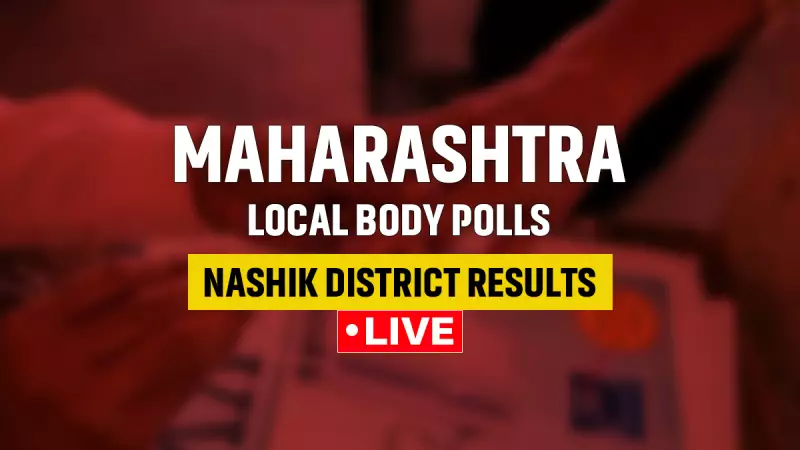
The results of the 2025 local body elections in Maharashtra are being closely watched as vote counting progresses for numerous municipal councils and nagar panchayats across the state. This electoral exercise is seen as a significant mid-term test for the ruling Mahayuti alliance and the opposition Maha Vikas Aghadi (MVA). Early trends indicate a competitive contest with both sides claiming victories in different regions.
Vote Counting Trends and Early Leads
As the counting of votes commenced, trends began to emerge from various local bodies. The elections covered a wide range of urban and semi-urban local governance units. Initial data suggests that the Maha Vikas Aghadi (MVA), comprising the Congress, Shiv Sena (UBT), and Nationalist Congress Party (SP), has managed to put up a strong fight. The coalition appears to be making significant inroads in several councils, challenging the dominance of the ruling combine.
On the other side, the Mahayuti alliance, which includes the Bharatiya Janata Party (BJP), Shiv Sena led by Chief Minister Eknath Shinde, and the Nationalist Congress Party under Deputy Chief Minister Ajit Pawar, is facing a mixed bag of results. While the alliance is leading in some constituencies, it has encountered unexpected resistance in areas previously considered its strongholds. The performance is being analyzed seat by seat, with outcomes varying significantly from one local body to another.

Political Significance and Stakes
These local body polls are more than just administrative elections; they are a crucial barometer of public sentiment. Conducted midway through the state assembly's term, the results are interpreted as a referendum on the performance of the ruling Mahayuti government at the state level. A strong showing by the MVA would energize the opposition bloc, providing it with much-needed momentum ahead of future state and national elections.
Conversely, the Mahayuti alliance is keen to demonstrate that its governance model and coalition unity resonate with voters at the grassroots level. The results will also test the organizational strength of the constituent parties—BJP, Shiv Sena (Shinde), and NCP (Ajit Pawar)—in coordinating campaigns and transferring votes to each other's candidates, a key factor in multi-cornered contests.
Regional Dynamics and Key Battlegrounds
The electoral battle is playing out across diverse regions of Maharashtra, from the coastal Konkan to the hinterlands of Vidarbha and Marathwada. Each region has its own local issues and caste equations that influence voter behavior. The performance in key municipal councils and nagar panchayats in these regions will offer insights into which political narratives are gaining traction.
Issues like inflation, local infrastructure, employment, and agrarian distress are believed to have influenced the voter's choice. The ability of the MVA to capitalize on anti-incumbency factors and the Mahayuti's defense of its record have defined the campaign discourse. The final tally will reveal which alliance succeeded in connecting with the electorate on these ground-level concerns.
As the day progresses, a clearer picture of the final results will emerge, determining the control of local civic administrations. The outcome is set to reshape the political landscape of Maharashtra, setting the stage for the next phase of electoral confrontations in the state. All major political parties have deployed senior leaders to monitor the counting process closely, underscoring the importance they attach to these grassroots democratic verdicts.