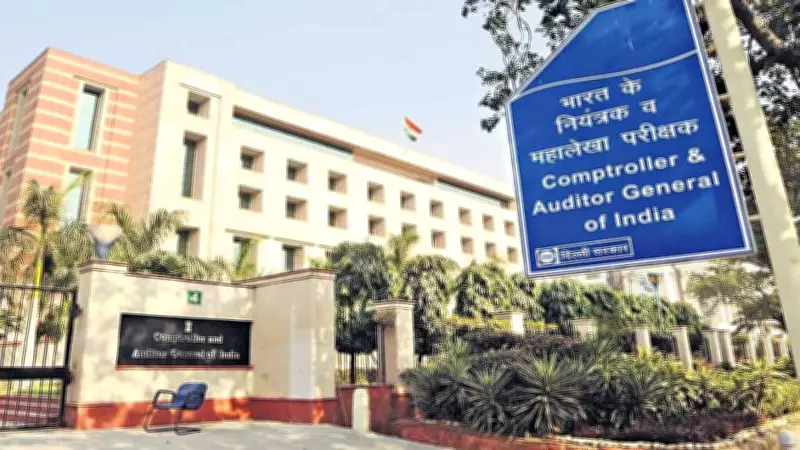
Maharashtra Government Departments Overlook Thousands of Audit Queries, CAG Reports Massive Financial Irregularities
The Comptroller and Auditor General of India (CAG) has issued a damning report, exposing severe lapses in financial management across various departments of the Maharashtra government. According to the audit findings, state departments have blatantly ignored more than 10,000 audit queries raised by the CAG over recent years. This widespread negligence has led to the identification of possible financial irregularities amounting to a staggering Rs 891 crore, highlighting critical gaps in governance and accountability.
Unheeded Audit Queries Signal Systemic Failures
The CAG, which serves as the supreme audit institution of India, conducts regular audits to ensure transparency and proper utilization of public funds. In Maharashtra, however, its efforts appear to have been largely disregarded. The audit queries, which cover a wide range of issues from misappropriation of funds to procedural violations, were systematically ignored by the concerned departments. This failure to address audit observations not only undermines the integrity of financial systems but also raises serious concerns about the efficacy of internal controls within the state administration.
The cumulative financial impact of these lapses is estimated at Rs 891 crore, a figure that underscores the magnitude of the problem. These potential irregularities span multiple sectors, including infrastructure projects, social welfare schemes, and public service deliveries, suggesting that the issue is not isolated but pervasive across the government machinery.

Implications for Governance and Public Trust
The CAG report comes at a time when public scrutiny of government spending is intensifying, especially in the wake of economic challenges. By flagging these lapses, the audit body has put a spotlight on the urgent need for corrective measures. The ignored queries represent missed opportunities for course correction, potentially leading to wasteful expenditure and compromised public services. Experts argue that such disregard for audit recommendations can erode public trust and hinder developmental progress, as funds meant for critical projects may not be utilized optimally.
In response to the findings, there have been calls for stricter enforcement of audit compliance and enhanced oversight mechanisms. The Maharashtra government is now under pressure to not only address the pending queries but also to implement robust systems to prevent similar lapses in the future. This situation serves as a stark reminder of the importance of accountability in public finance management, with implications that could resonate beyond state borders, influencing national audit practices and governance standards.