Maharashtra Government Establishes Special Committee to Monitor LPG Supply in Mumbai Amid Regional Tensions
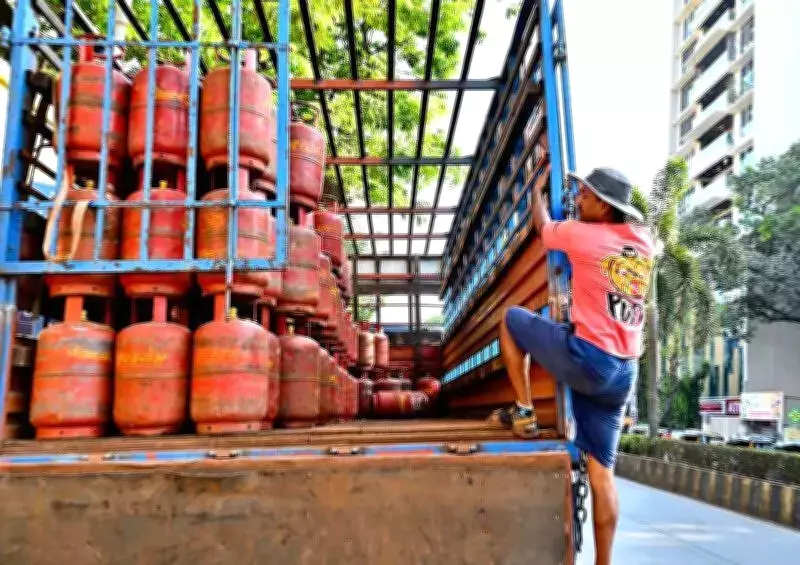
In response to the escalating conflict in the Middle East, which poses a potential threat to petroleum product supplies, the Maharashtra government has taken proactive steps to safeguard the availability of domestic cooking gas. A special monitoring committee has been formed specifically for the Mumbai Metropolitan Region (MMR), an area known for its high consumption of LPG. This move aims to prevent any disruptions or panic among consumers, ensuring a steady flow of essential fuel.
Committee Composition and Statewide Directives
The committee, as outlined in a government resolution issued on March 13 by the state's food, civil supplies, and consumer protection department, will be led by the director of civil supplies and controller of rationing. It includes key stakeholders such as the joint commissioner of police for Mumbai, municipal commissioners or their representatives from cities within the region, officials from oil marketing companies, and representatives of LPG distribution agencies. This diverse membership is designed to foster coordinated efforts across various sectors.
At the district level, similar committees will be established under the chairmanship of district collectors. These panels will comprise police officials, district supply officers, municipal authorities, oil company representatives, and gas distributors. Their primary responsibilities include regularly reviewing the LPG supply chain, monitoring stock levels at gas agencies, and addressing any logistical bottlenecks that may emerge in the distribution network.
Measures to Ensure Smooth Supply and Prevent Malpractices
Officials have been directed to ensure that domestic LPG supply remains uninterrupted and that no artificial shortages are created in the market. The circular emphasizes strict vigilance against hoarding and black marketing of cylinders, with warnings that violators will face action under the Essential Commodities Act of 1955. To maintain public order, authorities are prepared to provide police protection for vehicles transporting LPG cylinders and to distribution agencies if necessary, especially in cases where supply concerns might trigger consumer panic.
Priority supply of LPG will be ensured for essential institutions, including hospitals, government hostels, anganwadis, ashram schools, and facilities running the mid-day meal scheme. This prioritization underscores the government's commitment to supporting critical services during potential supply challenges.
Grievance Redressal and Alternative Fuel Options
To address consumer grievances effectively, district administrations and municipal authorities have been instructed to set up round-the-clock control rooms. Dedicated helpline and WhatsApp numbers will be publicized, allowing citizens to report delays or irregularities in cylinder distribution promptly. Additionally, officials are required to collect daily information on LPG stock positions from distribution agencies and submit regular reports to the state government.
In anticipation of possible supply disruptions, the government is also exploring alternative fuels such as coal or kerosene for commercial establishments. This contingency planning highlights a comprehensive approach to mitigating risks associated with the ongoing Middle East conflict, ensuring that both domestic and commercial needs are met without compromise.