Maharashtra Enacts Controversial Anti-Conversion Legislation
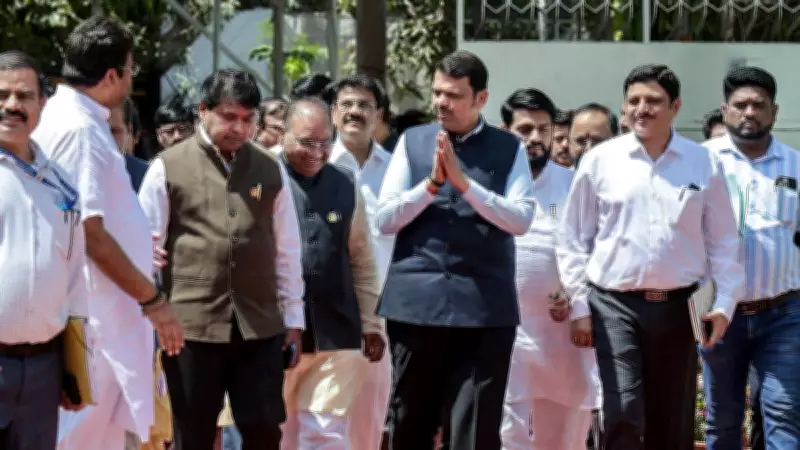
The state of Maharashtra has successfully passed a new anti-conversion law, marking a significant development in its legislative agenda. This move aligns Maharashtra with a growing number of Indian states that have implemented similar measures over the past decades. The law sailed through the state assembly, indicating strong political support, but its enactment has not been without controversy.
Historical Context and National Framework
It is important to note that India does not have a central or federal anti-conversion law at the national level. Instead, the regulation of religious conversions has been primarily handled by individual states through their own legislative powers. Over the years, several states across India have enacted their own versions of anti-conversion laws, each with specific provisions and enforcement mechanisms.
These state laws typically aim to prevent forced or fraudulent religious conversions, often requiring prior permission from district authorities for any conversion activities. The rationale provided by proponents usually centers around protecting vulnerable individuals from coercion and maintaining social harmony.

The Maharashtra Legislation: Details and Implementation
While the specific provisions of Maharashtra's new law were not detailed in the original report, such legislation generally includes strict penalties for violations, including imprisonment and fines. The law likely establishes procedures for reporting conversions and creates mechanisms for investigating alleged forced conversions.
The passage of this law represents a significant policy shift for Maharashtra, one of India's most populous and economically important states. It reflects ongoing debates about religious freedom, individual rights, and state intervention in personal matters of faith.
Growing Unease and Public Reaction
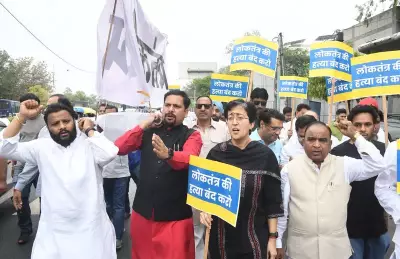
Despite its legislative success, the anti-conversion law has sparked considerable unease among various segments of society. Critics argue that such laws can be misused to target religious minorities and interfere with genuine religious practices. There are concerns about potential discrimination and the chilling effect on religious freedom.
Key points of contention include:- The balance between preventing forced conversions and protecting religious freedom
- Potential for misuse against minority communities
- Impact on interfaith relationships and marriages
- Questions about enforcement and bureaucratic overreach
Human rights organizations and religious freedom advocates have frequently criticized similar laws in other states, arguing they violate constitutional protections. The enactment in Maharashtra has reignited these debates at both state and national levels.
Broader Implications and Future Outlook
The passage of Maharashtra's anti-conversion law occurs within a broader national context where religious identity and conversion remain sensitive political issues. As more states consider or enact similar legislation, patterns of legal approaches to religious conversion continue to evolve across India.
This development may influence other states considering similar measures and could potentially reignite discussions about whether India should have a uniform national policy on religious conversions. The implementation and judicial review of Maharashtra's law will be closely watched by all stakeholders.
As the law takes effect, its practical application and impact on Maharashtra's diverse religious communities will become clearer. Legal challenges are anticipated, and the courts may ultimately need to weigh in on the constitutionality of specific provisions.