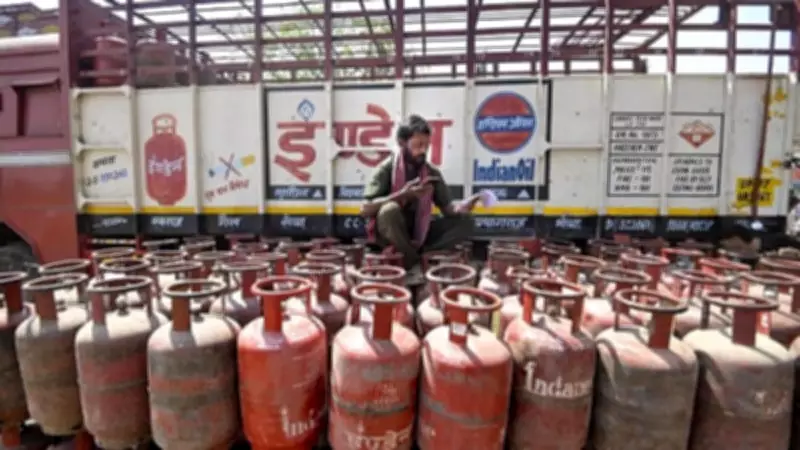
LPG Crisis in Bengaluru: Households Still Grappling with Severe Shortages
Bengaluru, the bustling capital of Karnataka, is currently in the grip of a severe LPG crisis that has left households struggling to meet their daily cooking needs. Despite repeated assurances from government authorities, the situation remains dire, with residents facing long queues at distribution centers and exorbitant prices in the black market.
Persistent Shortages and Long Queues
Reports from various parts of the city indicate that the LPG shortage has not abated, with many households still unable to secure timely refills. Long queues have become a common sight outside gas agencies, with people waiting for hours, often in vain. The crisis has hit particularly hard in densely populated areas, where demand for cooking fuel is high.
Residents express frustration over the lack of reliable supply, noting that even pre-booked cylinders are delayed by days or weeks. This disruption has forced many to rely on alternative, often more expensive, cooking methods, such as electric stoves or kerosene, which are not only costly but also less efficient.

Economic Strain and Black Market Exploitation
The LPG crisis has led to significant economic strain for Bengaluru households. With official supplies dwindling, a thriving black market has emerged, where cylinders are sold at prices significantly higher than the government-regulated rates. This exploitation has added to the financial burden of families, especially those from lower-income groups who are already grappling with rising living costs.
Authorities have acknowledged the issue but have yet to implement effective measures to curb the black market or ensure a steady supply. The situation is exacerbated by logistical challenges, including transportation delays and distribution bottlenecks, which have hampered efforts to normalize the supply chain.
Government Response and Public Outcry
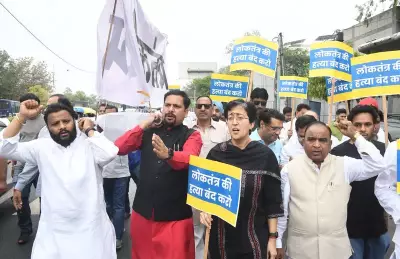
In response to the crisis, government officials have promised to ramp up LPG distribution and crack down on illegal sales. However, on the ground, these assurances have done little to alleviate the immediate hardships faced by residents. Public outcry has grown, with many calling for more transparent and swift action to resolve the shortage.
The LPG crisis in Bengaluru highlights broader issues in urban fuel management, including infrastructure gaps and supply chain inefficiencies. As households continue to bear the brunt, there is an urgent need for coordinated efforts between state and central agencies to address the root causes and provide relief.
Until then, Bengaluru's residents remain caught in a precarious situation, with no clear end in sight to their cooking fuel woes. The crisis serves as a stark reminder of the vulnerabilities in essential service delivery in India's metropolitan centers.