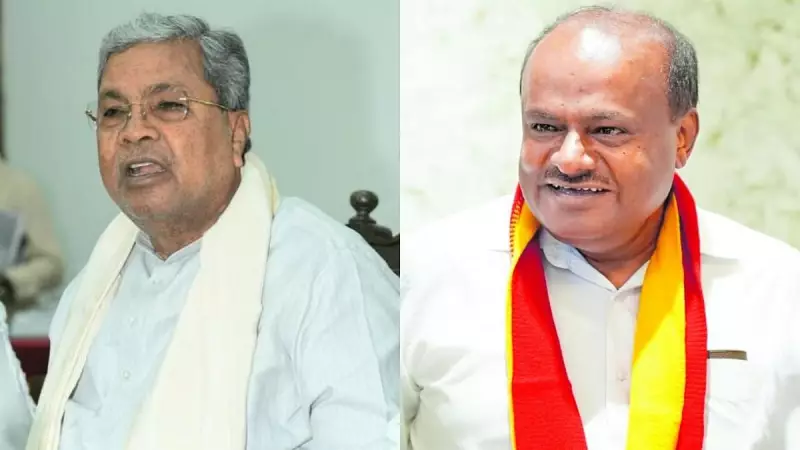
A fresh political controversy has erupted in Karnataka over the proposal to include teachings from the Bhagavad Gita in the curriculum of schools and colleges. The war of words involves former Chief Minister and JD(S) leader H.D. Kumaraswamy and current Chief Minister Siddaramaiah.
The Genesis of the Controversy
The row began when H.D. Kumaraswamy publicly urged Union Education Minister Dharmendra Pradhan to initiate steps for introducing the teachings of the Bhagavad Gita in schools, colleges, and universities across the country. Kumaraswamy emphasized the scripture's philosophical and ethical values, positioning it as a source of life guidance for students.
This suggestion, however, did not sit well with the ruling Congress party in the state. Chief Minister Siddaramaiah launched a sharp criticism against Kumaraswamy, labeling him a 'manuvadi'. The term, which refers to adherents of the ancient and discriminatory Manusmriti code, is used in contemporary political discourse as a pejorative to accuse opponents of supporting casteist and regressive ideologies.
Kumaraswamy's Forceful Rebuttal
Kumaraswamy swiftly hit back at the Chief Minister's characterization. He strongly objected to being branded with such a term and defended his stance on the Bhagavad Gita. In his rebuttal, Kumaraswamy clarified that his advocacy was for the Gita's universal teachings on duty, righteousness, and ethical conduct, which he believes are relevant for character building.
He accused Siddaramaiah of resorting to cheap political name-calling instead of engaging in a substantive debate on the value of incorporating India's ancient wisdom into modern education. The exchange, reported on 07 December 2025, highlights the deep ideological fault lines in Karnataka's political landscape, where proposals related to culture and education often become flashpoints.
Broader Implications and Political Undertones
This incident is more than a mere verbal duel; it reflects the ongoing tussle in Indian politics over the place of religious and cultural texts in secular state institutions. The debate touches upon several sensitive issues:
- Secularism vs. Cultural Education: The Congress party, under Siddaramaiah, has positioned itself as a guardian of secular principles, wary of any move seen as promoting a majoritarian agenda.
- Political Positioning: For Kumaraswamy and the JD(S), championing the Gita aligns with their political base and differentiates them from the Congress.
- Policy Direction: The controversy puts a spotlight on the Union Education Ministry's potential role in such curriculum matters, as Kumaraswamy's appeal was directed at a central minister.
The fallout from this exchange is likely to influence political rhetoric in the state in the coming days. It underscores how proposals for educational reform can quickly become polarized, with parties leveraging them to consolidate their respective voter bases. The core facts remain centered on Kumaraswamy's proposal, Siddaramaiah's critical response, and the subsequent political clash that has captured public attention.