Kolkata Bus Unions Demand Minimum 40% Fleet Operation During Election Requisitions
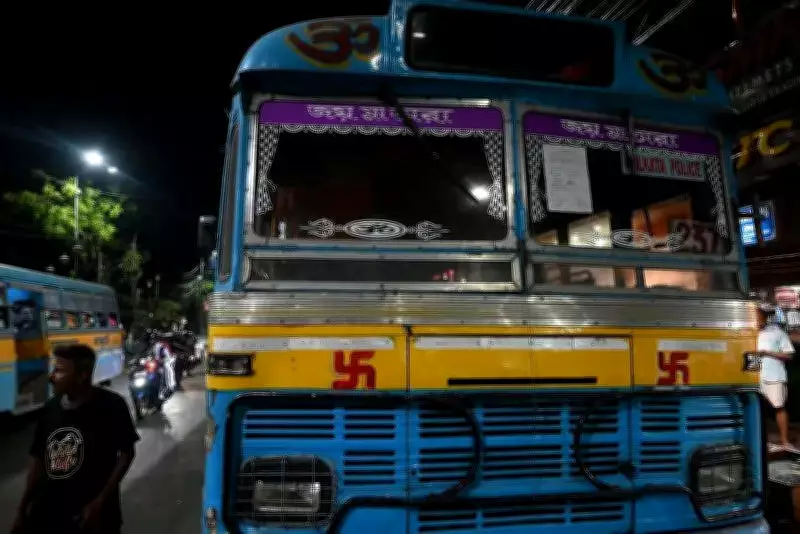
In a critical appeal to the state transport department, bus unions in Kolkata have called for immediate measures to guarantee that at least 30% to 40% of buses on every route continue operating, even as the majority are withdrawn for election-related purposes. This urgent request comes amid growing concerns about the chaotic requisitioning of private buses for the upcoming assembly election.
Unprecedented Scale of Bus Requisitions
The City Suburban Bus Service, led by union representative Titu Saha, has raised a serious alarm regarding the haphazard and uncoordinated seizure of private buses. In a formal letter addressed to the principal secretary of the transport department, Saha highlighted a disturbing pattern where police are intercepting route buses during their journeys and forcibly removing passengers.
The union is now seeking a firm assurance from authorities that, despite vehicles being diverted for election logistics, a minimum of 40% of the fleet remains active to prevent a complete breakdown of urban transportation. This appeal is particularly timely as Kolkata braces for a severe public transport crisis starting Monday.

Looming Public Transport Collapse
Transport officials estimate that more than half of Kolkata's bus fleet is being redirected to transport Central Armed Police Forces personnel and polling staff. Compounding the problem, many of these requisitioned buses are simply parked outside police stations and institutions where security forces are stationed, without being utilized effectively.
Among the routes experiencing severe disruptions are numbers 45, 21/1, and 227. The impact of these requisitions is already being felt across the metropolitan area, with commuters reporting significantly reduced services and dangerously overcrowded vehicles. The situation is further aggravated by auto-rickshaws limiting their operations due to the ongoing fuel crisis.
Multiple Factors Exacerbating the Crisis
The transportation crisis is intensified by several concurrent factors:
- More than 400 state-run buses are currently out of service due to poor maintenance issues
- Police authorities have seized approximately 1,600 buses through what unions describe as "random" road seizures
- Regional Transport Offices have taken an additional 400 buses out of circulation
According to Saha, the current scale of bus requisition is unprecedented in recent memory. The union's petition argues that the existing method of seizing buses is chaotic and poorly coordinated, often sending local city buses on long-distance journeys to north Bengal for which they are not properly equipped.
Union Demands and Proposed Solutions
Bus operators have proposed several solutions to mitigate the transportation crisis:
- Prioritize long-distance buses for election-related tasks to minimize operational anomalies
- Ensure that staff members who depend on daily route earnings are not pushed into financial distress
- Clear all honorariums with 100% advance payment to bus owners
- Implement an efficient rotation system for bus requisitions
The Joint Council of Bus Syndicates has labeled the early and unannounced requisitioning practices as "unethical." General Secretary Tapan Banerjee has urged the government to coordinate directly with route committees to establish a more organized approach.
Balancing Election Requirements with Public Needs
As training for polling personnel continues in full swing, transport officials have acknowledged the difficulty in balancing essential public services with mandatory Election Commission requirements. The current situation presents a significant challenge for Kolkata's commuters, who face reduced mobility options during a critical period.
The bus unions' appeal represents a crucial effort to maintain basic transportation infrastructure while accommodating election logistics. Their demand for maintaining at least 30-40% operational capacity on each route aims to prevent a total collapse of city mobility that would disproportionately affect daily commuters, workers, and residents across Kolkata.