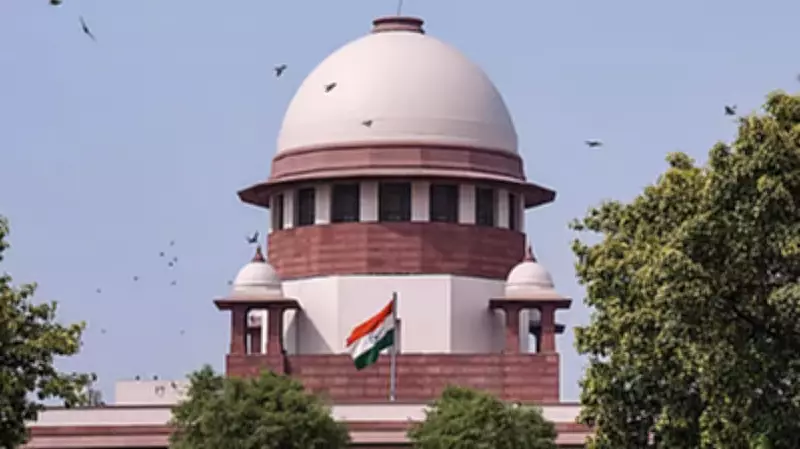
Supreme Court Petition Confronts Allegations of Deceptive Religious Conversion in Nashik TCS Incident
A significant legal plea has been formally submitted to the Supreme Court of India, targeting what is described as deceitful religious conversion practices. This legal action emerges directly from the controversial and widely reported case involving the Tata Consultancy Services (TCS) office located in Nashik, Maharashtra.
Background: Sexual Harassment and Conversion Allegations at TCS Nashik
The petition is grounded in serious accusations made by eight female employees of TCS in Nashik. These women have come forward with charges of sexual harassment within the workplace, coupled with allegations of forced religious conversion. The case has drawn considerable public and media attention, highlighting concerns over employee safety and religious freedom in corporate environments.
The core of the plea focuses on the alleged deceptive methods used in these conversion activities, which the petitioners argue violate constitutional protections and individual rights. The filing seeks judicial intervention to address these practices and ensure accountability.

Legal and Social Implications of the Petition
This Supreme Court plea underscores broader legal and social issues in India, including:
- The intersection of workplace misconduct and religious conversion allegations.
- Constitutional safeguards against forced or deceitful conversion practices.
- The role of corporate entities in preventing such incidents and protecting employees.
Legal experts suggest that this case could set important precedents regarding religious freedom and corporate responsibility in India. The petition calls for a thorough investigation into the Nashik TCS incident and aims to establish clearer guidelines to prevent similar occurrences in the future.
Next Steps and Public Reaction
As the Supreme Court reviews the plea, stakeholders from various sectors are closely monitoring developments. Public reaction has been mixed, with some advocating for stringent measures against deceptive conversion, while others emphasize the need to balance religious freedoms with legal protections.
The outcome of this legal proceeding is anticipated to have far-reaching effects on how similar cases are handled in India, potentially influencing both corporate policies and judicial approaches to issues of conversion and harassment.