Kerala's Unfolding Migrant Story: A Crisis of Violence and Suspicion
The state of Kerala, known for its progressive social policies and high human development indices, is grappling with a disturbing trend of rising attacks on Bengali migrant workers. This unfolding migrant story exposes how deep-seated suspicion and harmful slurs are increasingly bleeding into acts of violence, threatening the social fabric of the region.
Escalating Incidents Target Bengali Laborers
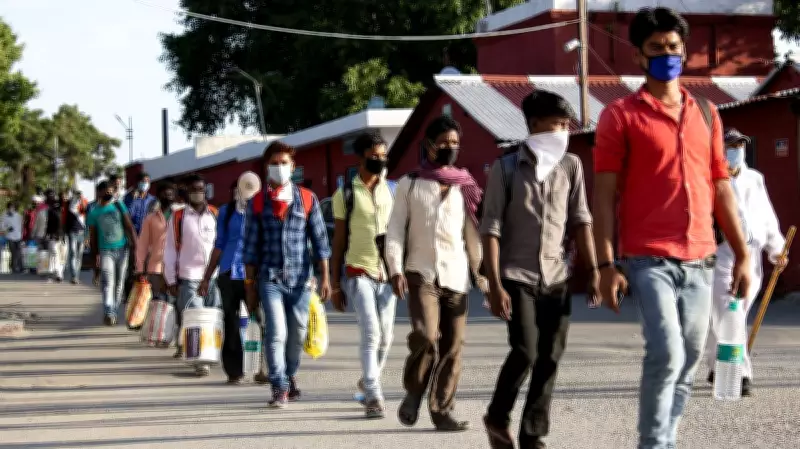
Recent reports indicate a significant uptick in violent assaults targeting Bengali workers across various districts in Kerala. These incidents, often fueled by local prejudices and economic anxieties, have left many in the migrant community feeling vulnerable and unsafe. The attacks range from physical assaults to property damage, creating an atmosphere of fear among those who have come to Kerala in search of livelihood opportunities.
The violence is not isolated but appears to be part of a broader pattern of discrimination. Migrant workers, particularly those from Bengal, have reported facing verbal abuse, social exclusion, and now, physical threats. This escalation from suspicion to violence highlights a critical breakdown in community relations that demands immediate attention from authorities and civil society.
Root Causes: Suspicion, Slurs, and Economic Tensions
Experts point to several underlying factors contributing to this crisis:
- Economic competition: As migrant workers often accept lower wages, local resentment can build, leading to tensions.
- Cultural differences: Language barriers and distinct customs sometimes foster misunderstandings and stereotypes.
- Political rhetoric: In some cases, inflammatory statements from local groups have exacerbated anti-migrant sentiments.
- Lack of integration: Insufficient efforts to include migrant communities in social and cultural activities can perpetuate isolation.
These slurs and suspicions, when left unchecked, create a fertile ground for violence. The transition from prejudiced attitudes to physical attacks represents a dangerous escalation that undermines Kerala's reputation as an inclusive society.
Impact on Social Harmony and Kerala's Economy
The repercussions of these attacks extend beyond the immediate victims. Kerala's economy relies heavily on migrant labor, particularly in sectors like construction, agriculture, and hospitality. Persistent violence could deter workers from other states, leading to labor shortages and economic slowdowns.
Moreover, the social harmony for which Kerala is celebrated is at risk. If not addressed promptly, this crisis could erode trust between communities and fuel long-term divisions. The state government and law enforcement agencies face mounting pressure to implement effective measures that protect migrant workers while fostering dialogue to bridge divides.
Moving Forward: Calls for Action and Reconciliation
To combat this issue, stakeholders are advocating for a multi-pronged approach:
- Strengthening legal protections and ensuring swift justice for victims of attacks.
- Launching awareness campaigns to promote intercultural understanding and dispel myths about migrant workers.
- Encouraging community-led initiatives that bring locals and migrants together for collaborative projects.
- Monitoring and regulating inflammatory speech that incites violence against vulnerable groups.
The unfolding migrant story in Kerala serves as a stark reminder that economic development must be accompanied by social cohesion. As the state navigates this challenging period, the hope is that compassion and rationality will prevail over prejudice and violence, restoring Kerala's image as a beacon of inclusivity in India.