Kerala's Electoral History: A Pattern of Change Every Five Years Until 2021
Kerala, known for its vibrant political landscape, has historically exhibited a remarkable pattern in its electoral outcomes. For decades, the state witnessed a consistent change in government every five years, a trend that persisted until the 2021 assembly elections. This cyclical shift between the Left Democratic Front (LDF) and the United Democratic Front (UDF) has defined Kerala's politics, making it a unique case study in Indian democracy.
The Five-Year Cycle: A Historical Overview
Since the formation of the state in 1956, Kerala has seen governments alternate between the LDF and UDF in most election cycles. This pattern began in the 1960s and continued through the 1970s, 1980s, 1990s, and 2000s. For instance, the LDF came to power in 1987, followed by the UDF in 1991, the LDF in 1996, the UDF in 2001, and so on. This regularity earned Kerala a reputation for political predictability, with voters often swinging between the two major fronts.
Key numbers from Kerala's electoral history include:
- Over 60 years of democratic elections since statehood.
- Multiple instances where governments changed hands after a single term.
- A near-perfect record of alternation until recent years.
The 2021 Election: Breaking the Pattern
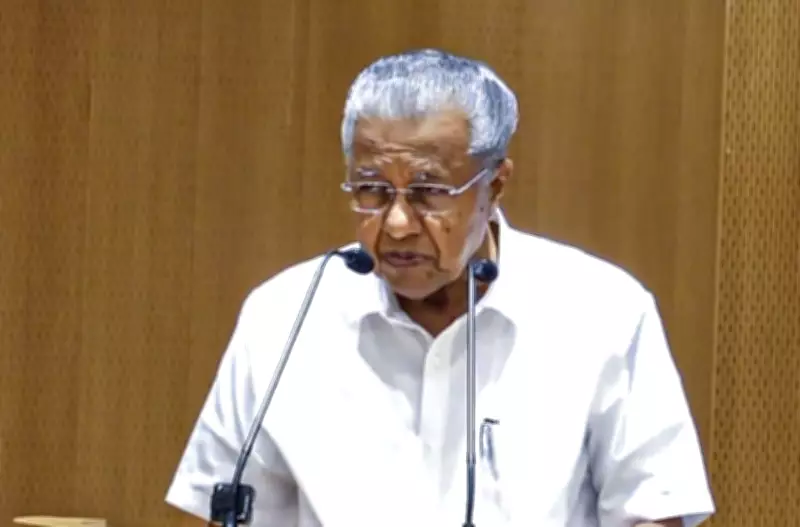
In 2021, Kerala's electoral history took an unexpected turn when the LDF, led by Pinarayi Vijayan, secured a consecutive term in office. This victory marked a departure from the long-standing five-year cycle, as the LDF had previously won in 2016. The 2021 election results showed the LDF winning 99 seats out of 140, while the UDF managed only 41 seats. This break in pattern has sparked discussions among political analysts about shifting voter sentiments and evolving political dynamics in the state.
Factors contributing to this change include:
- Effective governance and welfare schemes by the incumbent government.
- Strong leadership and organizational strength of the LDF.
- Challenges faced by the opposition UDF, including internal disputes.
Implications for Kerala's Political Future
The breaking of the five-year cycle in 2021 raises questions about the future of Kerala's electoral trends. While historical data suggests a pattern of change, the recent continuity indicates that voters may be prioritizing performance over tradition. This could lead to more stable governments or new political alignments in upcoming elections. As Kerala moves forward, political parties will need to adapt to these changing dynamics to remain relevant.
In summary, Kerala's electoral history is a fascinating tale of predictable change, punctuated by the 2021 election that defied expectations. Understanding this history provides insights into the state's political culture and its potential evolution in the years to come.