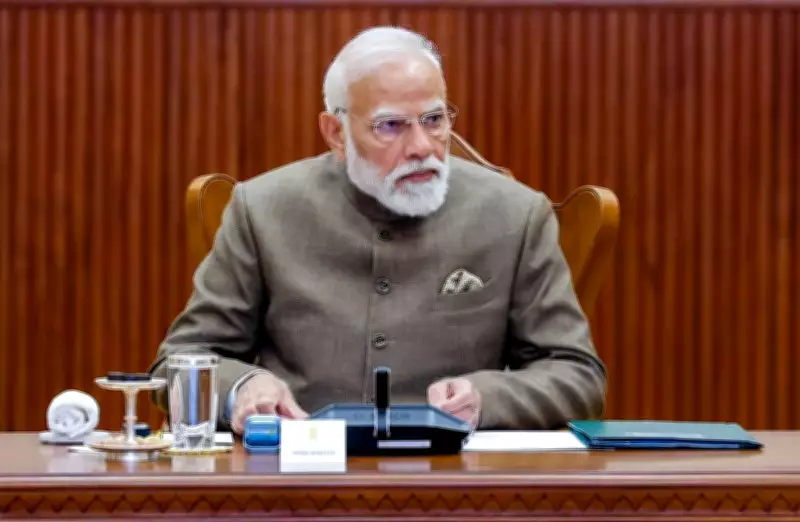
Kerala to Keralam: Name Change on Agenda for First Cabinet Meeting at Seva Teerth
The newly formed Kerala government is poised to initiate a significant proposal to change the state's official name from "Kerala" to "Keralam" in Malayalam, with this issue prominently featured on the agenda for the first cabinet meeting at Seva Teerth. This move reflects a broader effort to align the state's nomenclature with its linguistic and cultural roots, as the name "Keralam" is the traditional Malayalam term widely used by local residents and in regional contexts.
Background and Rationale for the Name Change
The proposal stems from a longstanding desire among many in Kerala to adopt a name that more accurately represents the state's identity in its native language. Historically, "Keralam" has been the preferred term in Malayalam, while "Kerala" is the anglicized version commonly used in English and official documents. Advocates argue that this change would honor the state's rich cultural heritage and promote linguistic pride, as it mirrors similar initiatives in other Indian states that have reverted to indigenous names.
This agenda item is part of the government's commitment to addressing regional and cultural issues early in its tenure, signaling a focus on identity and governance reforms. The decision to discuss this in the inaugural cabinet meeting at Seva Teerth underscores its importance, as Seva Teerth serves as a symbolic venue for administrative proceedings, emphasizing public service and community engagement.
Process and Implications of the Proposal
If approved by the cabinet, the name change proposal will undergo a formal legislative process, requiring amendments to the state's official records and potentially seeking approval from the central government. This could involve:
- Introducing a bill in the Kerala Legislative Assembly to officially adopt "Keralam" as the state's name.
- Updating all government documents, signage, and public references to reflect the new name.
- Coordinating with national authorities to ensure consistency in federal records and communications.
The implications extend beyond symbolism, as it may impact administrative logistics, branding, and public perception. Supporters view it as a step toward decolonizing place names and reinforcing regional identity, while critics might raise concerns about costs and practicality. However, proponents emphasize that such changes have been successfully implemented in other states, like Odisha (formerly Orissa), without major disruptions.
Public and Political Reactions
Initial reactions to the proposal have been mixed, with many cultural and linguistic groups expressing support for the move to "Keralam". They highlight that this aligns with global trends of reclaiming indigenous names and fosters a sense of belonging among Malayalam speakers. Political analysts note that this could bolster the government's image as pro-culture and responsive to local sentiments, especially in a state known for its strong linguistic pride.
Opposition voices, however, caution against prioritizing symbolic changes over pressing issues like economic development or healthcare. They argue that while name changes can be meaningful, they should not divert resources from more urgent governance matters. Nonetheless, the government appears determined to proceed, viewing this as a low-cost yet high-impact initiative to celebrate Kerala's unique heritage.
In summary, the Kerala government's agenda to change the state's name to "Keralam" marks a pivotal moment in its administrative journey, reflecting a deep-seated cultural aspiration. As the first cabinet meeting at Seva Teerth convenes, this proposal sets the tone for a tenure focused on identity, tradition, and progressive governance, potentially reshaping how the state is perceived both domestically and internationally.