Kerala's CPI(M) Government to Oppose Women's Entry to Sabarimala Temple
The Communist Party of India (Marxist)-led government in Kerala has declared its firm opposition to the entry of women of menstruating age into the Sabarimala temple, a move that reignites a long-standing and contentious debate over tradition, gender equality, and religious freedom in the state. This stance comes amid ongoing legal battles and social discussions surrounding the temple's practices, which have been a focal point of controversy for years.
Government's Position on Tradition and Sentiments
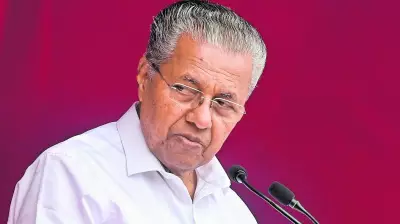
In a recent announcement, the Kerala government, under Chief Minister Pinarayi Vijayan, stated that it will oppose any attempts to allow women's entry into Sabarimala, citing the need to respect the temple's centuries-old traditions and the religious sentiments of devotees. The government emphasized that the temple's customs, which restrict entry to women between the ages of 10 and 50, are deeply ingrained in the faith of millions of worshippers and should be preserved to maintain social harmony.
The CPI(M) administration argues that this position aligns with its commitment to protecting cultural heritage while navigating the complex interplay between law and religion. Officials have pointed out that the Supreme Court's 2018 verdict, which allowed women's entry, has faced significant resistance from conservative groups, leading to protests and legal challenges. The government now seeks to balance these opposing views by upholding tradition in this specific case.

Legal and Social Context of the Debate
The Sabarimala temple, dedicated to Lord Ayyappa, has been at the center of a heated debate since the Supreme Court's landmark ruling in 2018 that overturned the ban on women's entry, deeming it discriminatory. However, implementation of the verdict has been fraught with difficulties, as traditionalists and religious organizations have vehemently opposed it, citing scriptural interpretations and customary practices.
This opposition has led to a series of legal petitions and public demonstrations, with the Kerala government previously supporting the court's decision but now shifting its stance. The current move by the CPI(M) government is seen as an attempt to appease its voter base and religious constituencies ahead of upcoming political developments, while also addressing concerns about potential unrest.
Implications for Gender Equality and Politics
The government's decision to oppose women's entry has sparked criticism from women's rights activists and progressive groups, who argue that it undermines gender equality and constitutional principles. They contend that allowing such restrictions perpetuates discrimination and contradicts the state's earlier efforts to promote social justice.
- Activists highlight that this stance could set a precedent for other temples to enforce similar bans, eroding hard-won rights for women in religious spaces.
- Political analysts note that the CPI(M), traditionally seen as a left-leaning party, is navigating a delicate balance between its ideological commitments and practical electoral considerations in a diverse state like Kerala.
- The issue also reflects broader tensions in Indian society between modernization and tradition, with Sabarimala serving as a symbolic battleground.
As the debate continues, the Kerala government's position is likely to influence future legal proceedings and public discourse on religion and gender in India. The state's approach may be scrutinized in higher courts, and it could impact similar cases across the country, making this a pivotal moment in the ongoing struggle for equal access to religious institutions.