Karnataka Mobilizes Statewide to Avert Summer Drinking Water Crisis
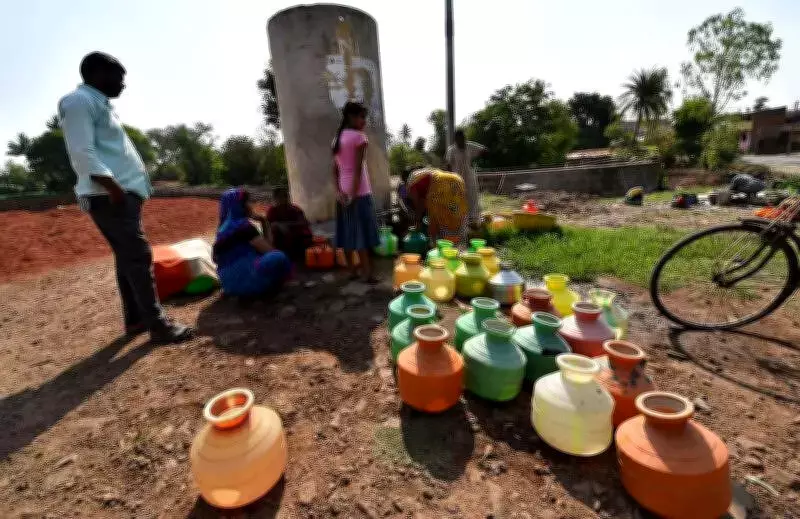
In a decisive move to prevent a repeat of last year's severe drinking water shortages, the Karnataka government is implementing a robust preparedness plan not only in the historically water-scarce Kalyana Karnataka region but across the entire state. The initiative comes as a direct response to the alarming situation in 2024-25, when 784 villages in Kalyana Karnataka ran completely dry, highlighting an urgent need for systemic intervention.
District-Level Expenditure and Disputed Records
Data from the Rural Development and Panchayat Raj (RDPR) department, presented during a recent assembly session, reveals significant financial investments aimed at mitigating water scarcity. In Raichur district, projects worth Rs 2.1 crore were undertaken for the 2025-26 period. These included leasing private borewells, deepening existing ones, constructing new borewells, laying pipelines, and repairing reverse osmosis (RO) plants to enhance water accessibility.
Vijayanagara district allocated Rs 60.7 lakh specifically for 40 villages, with an additional Rs 5.5 crore earmarked for 201 villages to bolster water infrastructure. Kalaburagi spent Rs 1.2 crore on similar efforts, while Yadgir district invested a substantial Rs 13.5 crore in water supply projects, demonstrating varied but concerted efforts across the region.

However, a notable discrepancy emerged regarding Koppal district. Official records indicate that none of the Rs 2 crore grant allocated for water works was utilized, a claim strongly contested by Koppal MLA Raghavendra Basavaraj Hitnal. "The Rs 2 crore was fully used, and the water situation was managed effectively," Hitnal asserted. "The figures showing lack of expenditure may be an administrative error. We do not foresee a crisis this year since projects are ongoing, and we have not sought additional funding."
Record Utilization of Development Funds
Ajay Singh, Jewargi MLA and Chairman of the Kalyana Karnataka Region Development Board (KKRDB), provided further insight into the region's financial commitments. He reported that the region has spent a record Rs 4,059 crore of the Rs 5,000 crore budget allocated for the current year. "This year, we will use the entire funds allocated for the region," Singh emphasized, contrasting this with the finance department's earlier claims of underutilization. This substantial expenditure underscores a proactive approach to infrastructure development aimed at long-term water security.
Structured Monitoring and Public Communication
To ensure effective implementation and transparency, the RDPR department has issued clear directives for enhanced monitoring and public engagement. All Zilla Panchayat Chief Executive Officers are mandated to hold review meetings with Panchayat Development Officers on the second and fourth Mondays for the next three months. These sessions are designed to assess ground-level realities and address emerging issues promptly.
Additionally, district authorities will conduct press briefings on the second and fourth Tuesdays to keep citizens informed about actions taken and progress made. Officials have also been instructed to physically inspect drinking water sources in rural areas, ensuring that infrastructure is functional and adequate.
Preventive Measures Against Contamination
The government has outlined specific measures to prevent water contamination, a critical aspect of ensuring safe drinking water. These include:
- Ensuring proper drainage around borewells to avoid waterlogging.
- Preventing wastewater stagnation near water sources.
- Constructing protective concrete platforms around water sources to safeguard against pollutants.
RDPR Minister Priyank Kharge reinforced the government's commitment, stating, "The government has issued clear directions to ensure drinking water shortages in rural areas are addressed promptly. District administrations must closely monitor the situation and take necessary action." This multi-faceted strategy aims not only to provide immediate relief but also to build resilience against future water crises, marking a significant step toward sustainable water management in Karnataka.