

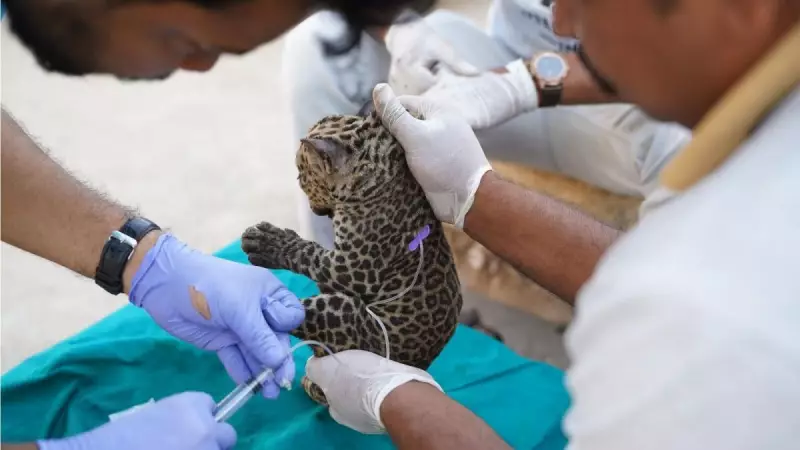
In a significant development for wildlife conservation, the Karnataka forest department is set to appoint dedicated wildlife veterinarians after a prolonged ten-year gap. This crucial decision comes in the wake of a tragic incident where thirty-one blackbucks succumbed to a bacterial infection at Belagavi zoo.
Minister's Emergency Response
Forest Minister Eshwar Khandre took immediate action by conducting a video conference with the heads of nine zoos across the state. The emergency meeting was convened as the death toll of blackbucks from Hemorrhagic septicemia, a serious bacterial disease, reached thirty-one animals at the Belagavi facility.
The conference, held on November 18, 2025, addressed the urgent need for specialized veterinary care in state-run zoos and wildlife sanctuaries. Minister Khandre emphasized that the absence of dedicated wildlife veterinarians had been a longstanding concern that required immediate resolution.

Decade-Long Vacancy Ends
The forest department's move marks the end of a ten-year period without specialized wildlife veterinary professionals. This prolonged vacancy had raised concerns among conservationists and animal welfare activists about the adequacy of medical care for protected species in Karnataka's zoological parks and forest reserves.
Wildlife veterinarians play a critical role in managing animal health, preventing disease outbreaks, and providing emergency medical care to endangered species. Their expertise is particularly vital in handling specialized cases like the Hemorrhagic septicemia outbreak that claimed the blackbucks in Belagavi.
Broader Implications for Wildlife Conservation
The appointment of dedicated wildlife veterinarians represents a substantial step forward in strengthening Karnataka's wildlife protection framework. The state, known for its rich biodiversity including tigers, elephants, and numerous deer species, requires robust veterinary support systems to maintain healthy animal populations.
The tragic incident at Belagavi zoo has served as a catalyst for systemic improvement in wildlife healthcare infrastructure. The new veterinary appointments are expected to enhance monitoring, disease prevention, and emergency response capabilities across all state-managed zoological facilities.
This proactive measure by the Karnataka forest department signals a renewed commitment to wildlife welfare and conservation management. The dedicated veterinary team will be tasked with implementing comprehensive health monitoring protocols and developing rapid response strategies for future disease outbreaks.






