Karnataka's Public Spending Under Scrutiny for Widening Inequalities
A recent analysis has raised alarms over Karnataka's public expenditure, suggesting that spending without tangible impact could significantly widen socio-economic inequalities across the state. The report, which examines fiscal policies and their outcomes, highlights a critical gap between resource allocation and measurable benefits for citizens.
Key Findings on Fiscal Inefficiencies
The study points to several areas where Karnataka's spending has failed to deliver expected results. Infrastructure projects, social welfare schemes, and educational initiatives are among the sectors identified as having limited impact despite substantial financial investments. This inefficiency is attributed to poor planning, lack of monitoring, and inadequate data-driven decision-making.
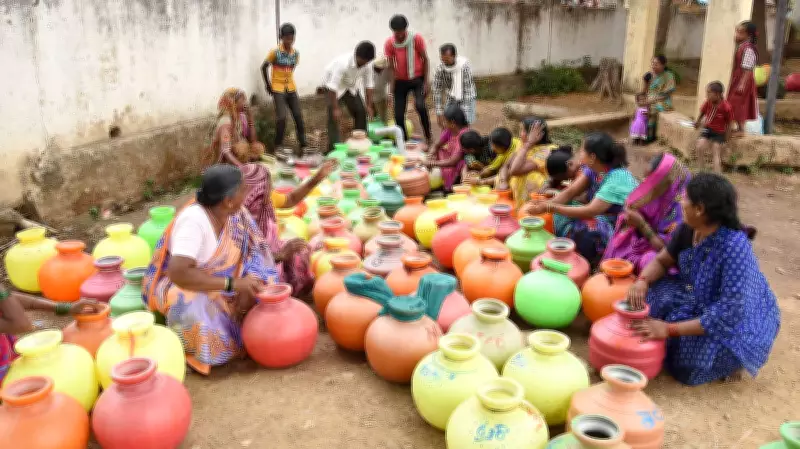
"Without clear metrics to assess outcomes, public funds are often misdirected, leaving vulnerable communities further behind," the report states. It emphasizes that this trend could deepen existing disparities, particularly in rural and underdeveloped regions of Karnataka.

Implications for Socio-Economic Disparities
The potential consequences of ineffective spending are severe. Increased inequality in access to healthcare, education, and employment opportunities is a primary concern. The report warns that if left unaddressed, this could lead to heightened social tensions and hinder the state's overall development goals.
- Rural areas may see slower progress compared to urban centers.
- Marginalized groups could face greater barriers to essential services.
- Economic growth might become uneven, benefiting only select sectors.
Recommendations for Improved Governance
To mitigate these risks, the analysis proposes several strategies for Karnataka's policymakers:
- Implement robust monitoring systems to track spending outcomes.
- Adopt data analytics to inform budget allocations and policy adjustments.
- Enhance transparency in public finance to ensure accountability.
- Focus on inclusive growth by targeting resources to high-need areas.
By prioritizing impact over expenditure, Karnataka can work towards reducing inequalities and fostering sustainable development. The report calls for urgent action to align fiscal policies with socio-economic objectives, ensuring that public spending translates into real benefits for all residents.