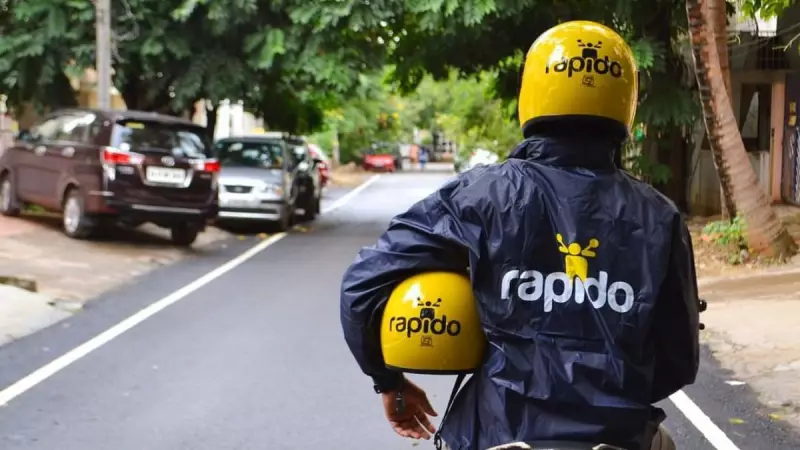
Karnataka High Court Overturns Ban on Bike Taxis, Boosting Urban Mobility
In a significant development for urban transportation in Karnataka, the High Court has lifted the ban on bike taxis, overturning a previous order by a single-judge bench. This decision marks a pivotal moment for the state's mobility sector, potentially enhancing affordable and efficient travel options for residents.
Legal Reversal and Industry Impact
The Karnataka High Court's ruling reverses an earlier decision that had prohibited the operation of bike taxis, which are often used by ride-hailing platforms like Ola and Uber. The court found that the ban was not justified under current regulations, emphasizing the need for flexible transportation solutions in congested urban areas. This move is expected to alleviate traffic woes and provide cost-effective alternatives to traditional cabs.
Industry leaders have expressed strong support for the court's decision. Ola and Uber, two major players in the ride-hailing market, have welcomed the lifting of the ban, highlighting how bike taxis can complement their existing services. They argue that this will not only expand their business opportunities but also create more employment for drivers, contributing to the local economy.

Benefits for Commuters and the Environment
The reintroduction of bike taxis is anticipated to offer numerous benefits for daily commuters. With their ability to navigate through heavy traffic more easily than cars, bike taxis can reduce travel times and lower fares, making them an attractive option for short-distance trips. This could be particularly advantageous in cities like Bengaluru, where traffic congestion is a persistent issue.
Moreover, bike taxis are seen as a greener alternative to conventional vehicles, as they typically have lower carbon emissions. By promoting their use, Karnataka could take a step forward in its sustainability goals, aligning with broader environmental initiatives across India.
Regulatory Framework and Future Prospects
While the ban has been lifted, the Karnataka High Court's decision underscores the importance of a clear regulatory framework for bike taxis. Authorities may need to establish guidelines to ensure safety standards, insurance coverage, and fair pricing for both riders and drivers. This could involve collaboration between the government and private companies to develop robust policies that protect all stakeholders.
Looking ahead, the move could set a precedent for other states in India considering similar bans on bike taxis. As urban populations grow and mobility needs evolve, flexible and innovative transportation solutions like bike taxis are likely to play an increasingly vital role in India's urban planning strategies.